Football, Football, Football

I love football, it has its detractors, and for good reason, there are hooligans and trouble makers who use the sport as an excuse for violence, and of course the money involved is obscene and the commercialisation of the sport is unsavoury, but despite its faults, I love it.

There are few things in life, quite as un-important as football that can raise emotions in the way it does, that can have billions of people around the world all watching the same thing at the same time. What other un-important thing makes people cry and cheer in equal measure, what other utterly pointless pastime is played and watched by countless millions and millions of people every weekend, from your local park to Anfield (sorry I am a Liverpool supporter after all), in the back streets of Brazil’s favela’s with a tin can, to the Nou Camp in front of 105,000 people.

And on St Helena it is no different, our lives have involved a lot of football recently. With the excitement of Jurgen Klopp’s arrival at Liverpool the optimism has reached the far flung places of the World and even here people have been discussing the enigmatic German. Ive had friends over to watch games on the big screen and passers-by make conversation on the prospects of Liverpool, the fate of Louis Van Gaal, the joyous downfall of Chelsea or the positivity surrounding Arsenal.

But more importantly than the English Premiership, is the local St Helena leagues, which, from 5 years olds to veterans has reached its pinnacle in the past few weeks. Sundays have been taken over by junior football in the morning, and my own games in the afternoon, followed by watching Liverpool!  With The league season coming to an end and the cup competitions taking place the junior leagues played their final few games. This involved their own respective cup finals, and friendly games for those already out in the earlier rounds. My team, Jungle Rangers, being one of the youngest in the cup structure, went out in an earlier round and were therefore left to play a friendly with the Longwood Dynamites. It seems that there exists a strong rivalry between different districts on St Helena, this is played out through the various sports teams. Jungle Ranger representing the Jamestown district, and Longwood Dynamites representing…. Well you can figure that one out.

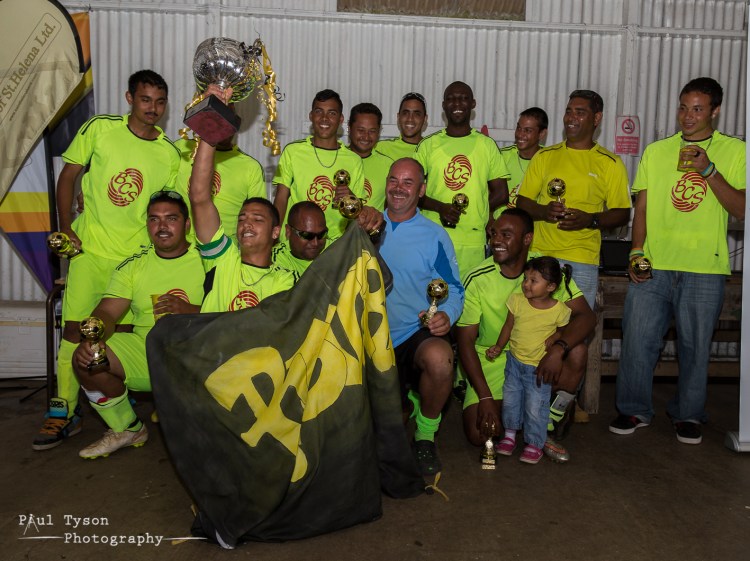
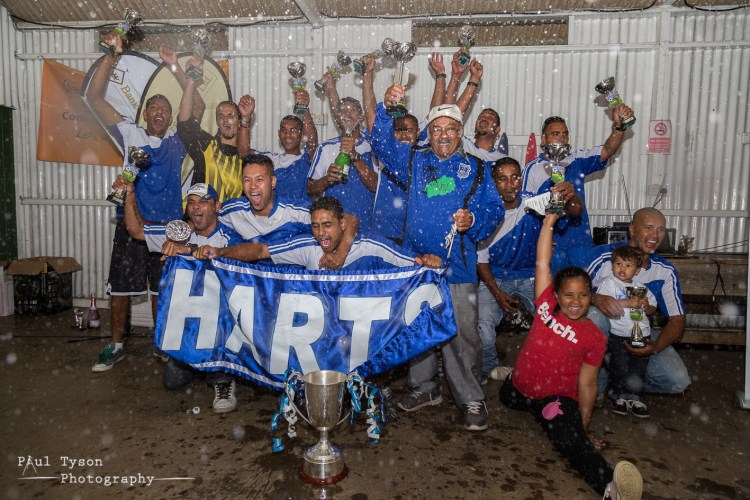
Following the junior football, the big game arrived, the St Helena FA Cup. The Rovers, narrowly beaten to this year’s league title by Hearts, played the Chop Shop Boys. There are some real players on St Helena despite a poor playing surface and uneven ground.  Id love to see some of these boys play on a half descent pitch. But despite the testing conditions a fantastic, entertaining game of football was played out, the Rovers running out eventual winners.


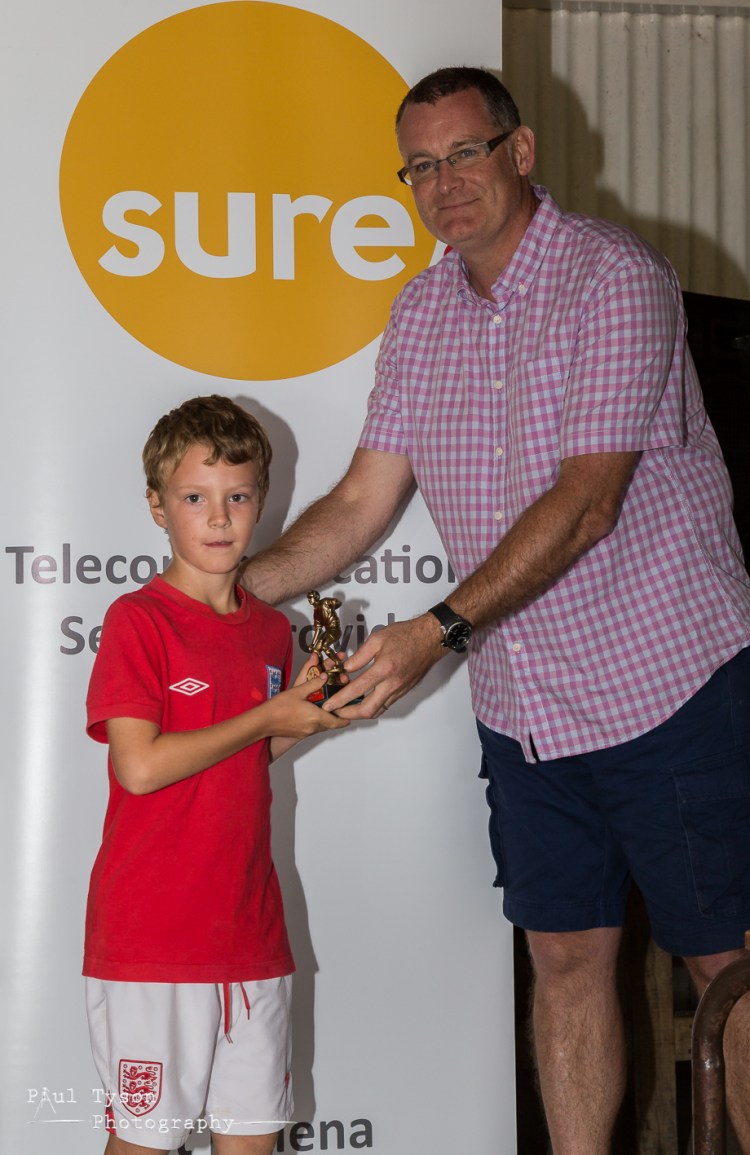
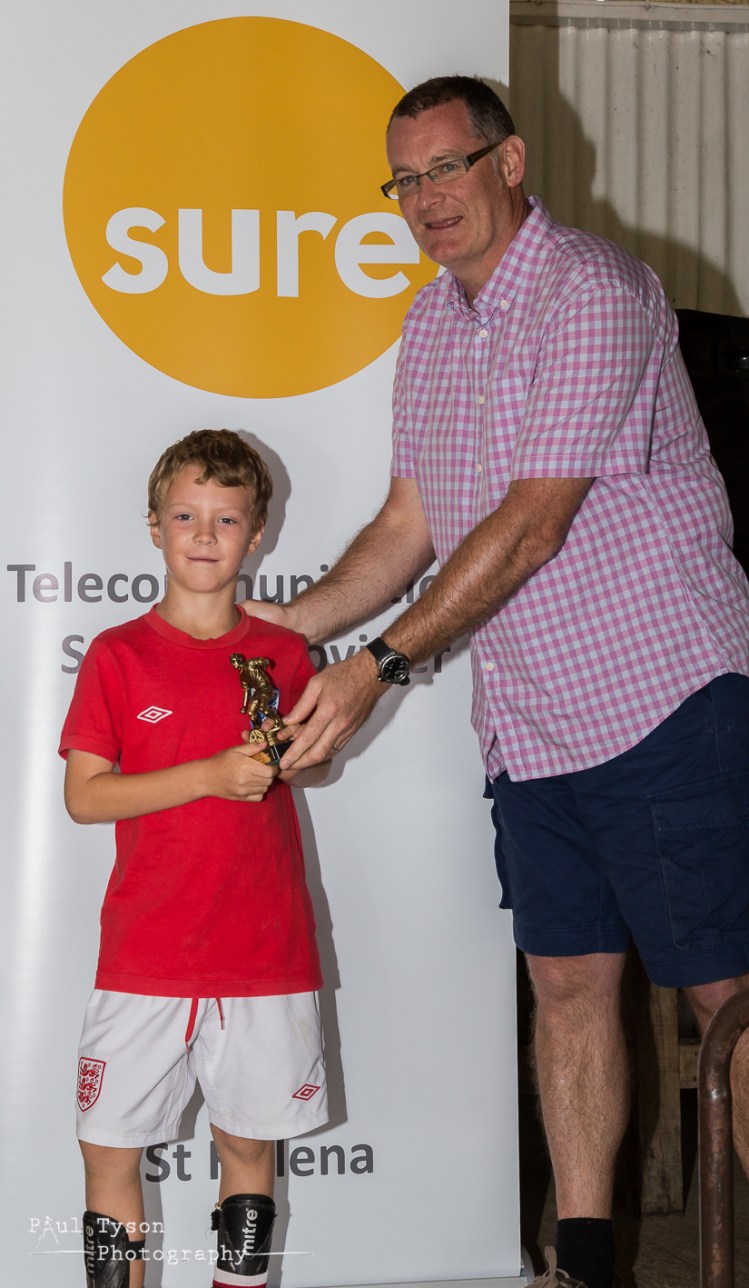
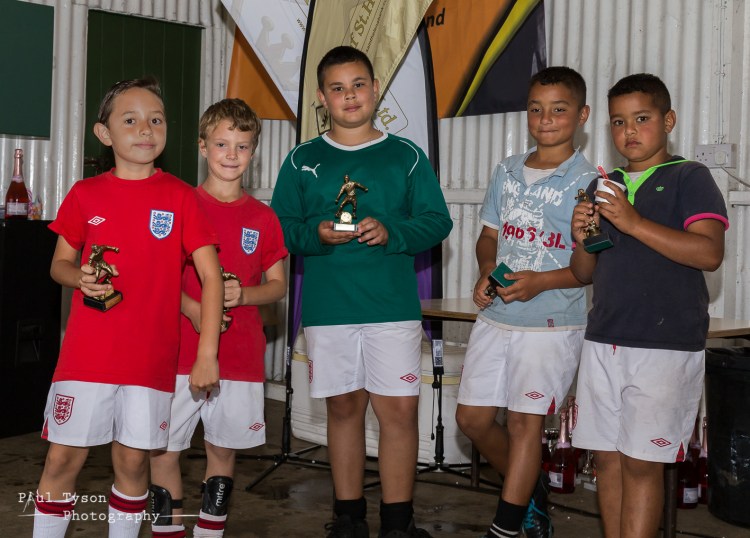
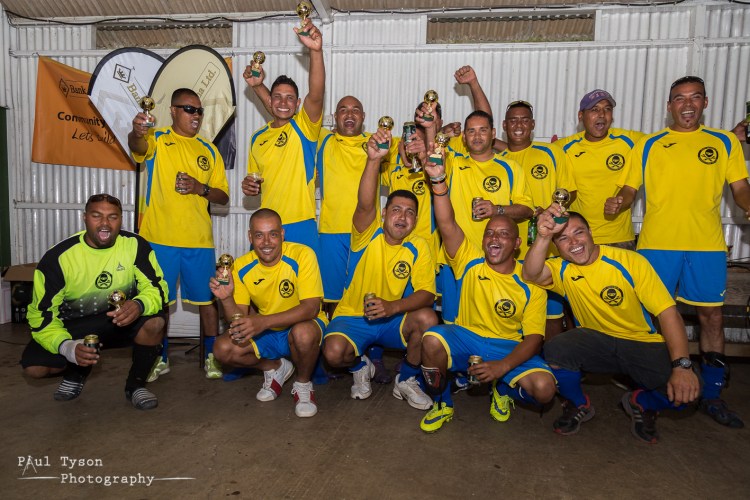
At the end of the day, Trophies were held aloft by all ages. All junior players, winners or not, received a trophy. It’s a funny thing, and people will tell you that football doesn’t matter, but try telling that to the kids who played their heart out. Try telling them that their efforts do not matter and football is silly as they walk up those steps to collect their first ever sports trophy.

Presentations Begginers325Presentations Begginers326

Presentations Begginers332

Jungle Rangers

Presentations Juniors374

Oliver played a few games with the next age group.

Oliver now sports three trophies on his shelf, bringing back fond memories of my own junior football days. I recall receiving most improved player, and defender of the season, presented to me by non-other than former Everton Goal Keeper Neville Southall. Do I still have the trophies, of course I do, they meant something then, and actually they still do today. They represent good things, my childhood, my friends. They represent rainy days on a frozen pitch, hoping the changing rooms might be unlocked. They represent my Mum and Dad, tirelessly supporting me, driving me to games and standing in said rain shouting me on. But most of all they represent a dream, a dream I once had, and the same dream that Oliver now has. That same dream that he enacts in our back garden as he runs away from goal, his arms aloft in celebration as he sticks one past his Dad, dreaming that one day he will be running out at Anfield.

I love football, it represents dreams, and there surely cant be much wrong with that.

Presentations Senior386

Cup Runners Up Chop Shop Boys

Presentations Senior398

Cup Winners Rovers

Presentations Senior413

League Winners Hearts

All Change

Winter has arrived in earnest here on St Helena, for what seemed like a biblical time span the Island was soaked with continual misty rain and low hanging cloud. Much to the delight of our utilities supplier, Connect, the solid downpours have raised water levels and averted a water shortage. The Island took on a different atmosphere for a while, cloud hung to the peaks and ridges forming a permanent barrier to the sun. The acclimatised Saint in me is cold, the Brit in me is still wearing shorts and determined that 15C is still warm weather and nothing to whine about. When we arrive on St Helena in August last year we arrived to similar temperatures, and I was ashamed at the ex-pats who were complaining about the cold weather, having got used to months of 26C plus however, this sudden drop in temperature has come as a surprise. It has been compounded by our house move, as we have once again uprooted and moved house. Oliver, at seven years of age is now on his eight home as we packed up and moved across the Island to the wonderfully named, Alarm Forest. We have also moved up in the world, and our home sits around 500m altitude, and is on the cold side of St Helena. This move coupled with the cooler weather has meant a drop in temperature in the evenings of around 10C and we sit wrapped in blankets on our new and distinctly chilly leather sofa’s.

I insist on wearing shorts and have now set myself the goal of going a full 12months wearing shorts every day, something that will no doubt be put to the test as we return to the UK in a few days time. We had decided to hold Oliver’s Birthday party in our new home, it is well suited with a large garden and huge front room that is not less than 42ft long. This had forced us to empty boxes and sort the house out in double quick time and just three days after moving we were all settled in.

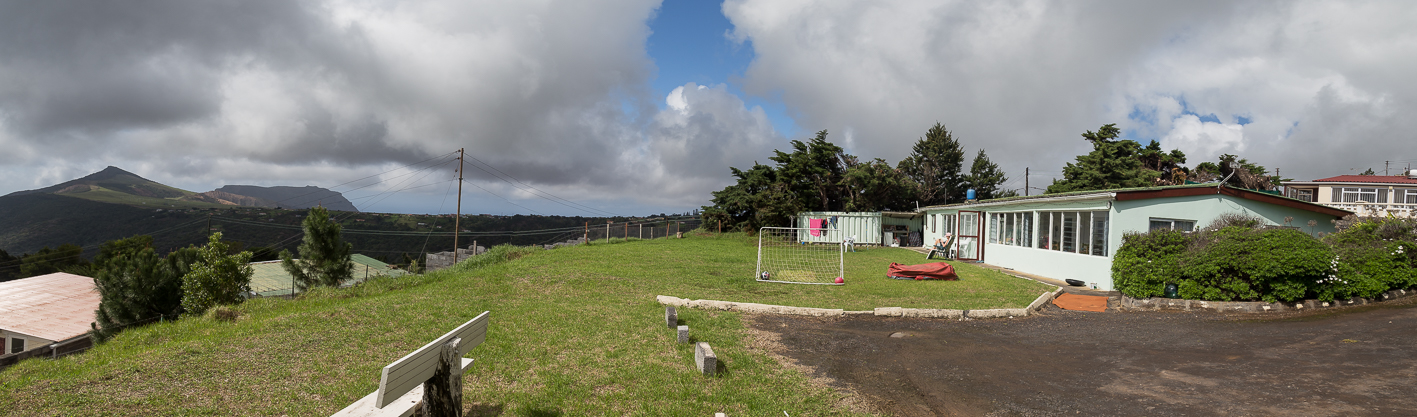
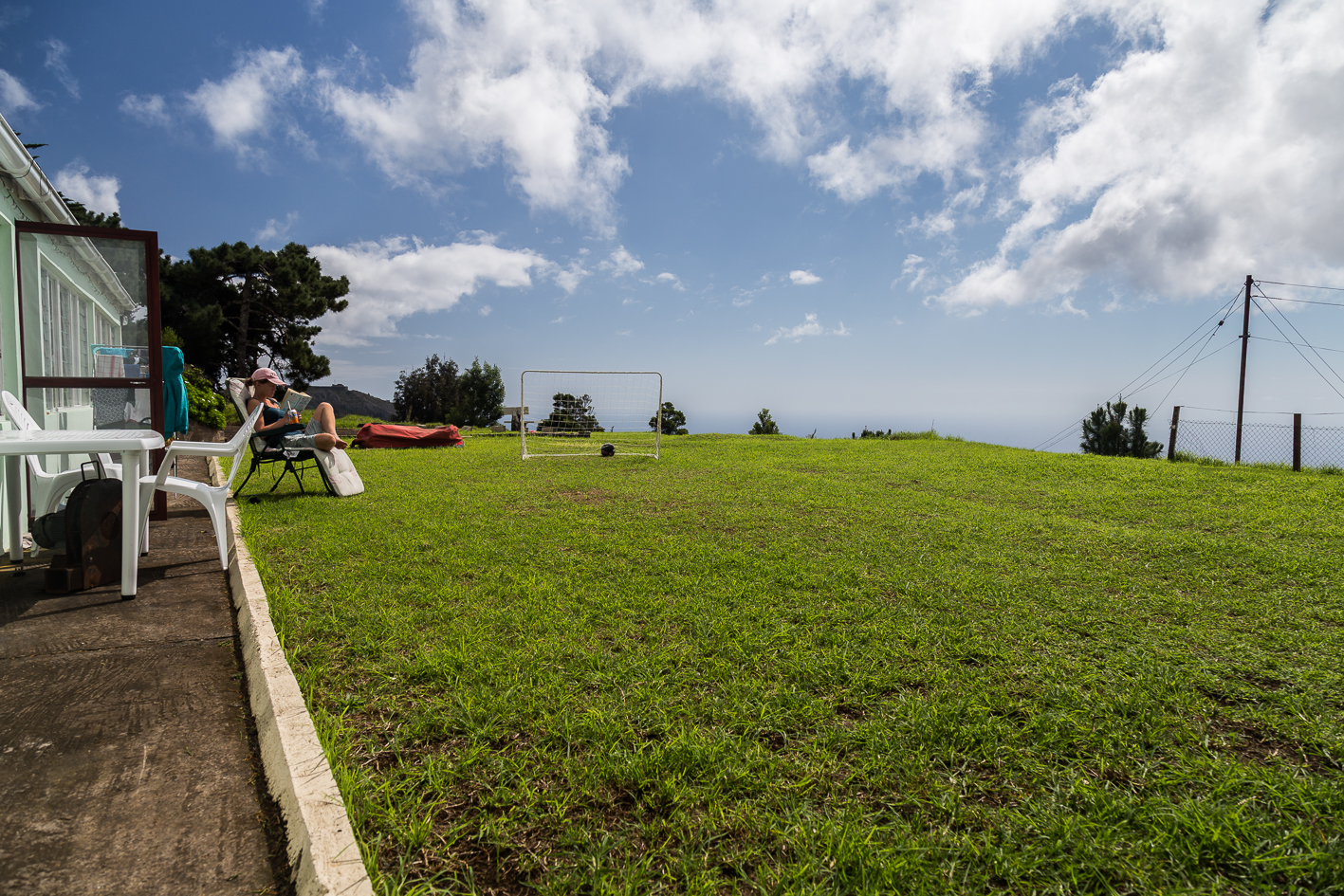
Our new home is lovely, and old Saint house, possibly over a hundred years old, made of stone walls some 2ft thick. A large grass lawn opens out to simply stunning views across the North of the Island, Jamestown, Ruperts Valley and the peaks of Flagstaff are all clearly visible, as is St Helena first airport beacon, a red light sat high on the Barn as a symbol of the change that is about to hit all of St Helena. Although a little colder now, it promises to be an ideal place for most of the year and I cant wait to enter into Spring and Summer in a few weeks time.IMG_1877-Pano IMG_1870-Pano IMG_1868

Of course winter also brings the football season, and Oliver and I now have a team, as I was in the UK I am now coaching my own little group of Steven Gerrards. Oliver is loving his first taste of competitive football, and by all accounts is doing ok, scoring a few goals in his first few games and with a good sense of positioning and space for a seven year old. Our first match was reminiscent of British football, cold grey and wet, with parents huddled into their thick jackets hurling instructions and encouragement to their bewildered looking children. Bev, previously critical of such competitive behaviour found herself admitting, “you just cant help but get excited and shout at them”.

With the change in seasons comes a change in the Wildlife as the Humpback Whales return to ST Helena to calve and feed their young. We caught our first glimpse of these majestic animals whilst at the beach at Ruperts Bay, the weather having taken a turn for the better in the last week or so. This spotting prompted our first boat trip of the season and although we didn’t see the whales, we were treated to a large pod of Dolphins.

James Bay itself is busy at the moment as ships from the Ministry of Defence arrive in town to extract oil from the sunken wreck the Darkdale. It was Torpedoed off St Helena on the 22nd October 1941 and now lies as a top diving attraction some 30meters below the waves. Ceri Samson writes about the history of the ship here, and there are plenty of other sites with historical information on the ship formally known as Empire Oil,  so I wont go into it on my pages, but suffice to say the bay is busy and the MoD diving crew has caused something of a stir with the ladies during their stay on St Helena, like I said, St Helena has a way of making celebrities out of people.


James bay pnorama-2

Please click on this photo and zoom in to see the detail and the ships in James Bay

We rapidly approach the end of our first year on St Helena, and on Thursday this week we will board the RMS St Helena for our five day journey across the Atlantic to Cape Town. I approach this journey with mixed emotions, joy of course at seeing family and old friends, but tempered by the fact this journey heralds the half way point, we count down from here. It feels all the more poignant as the Days, a wonderful family and friend who featured heavily in our story will travel with us on the RMS for the last time. We met the Days on board the RMS last as they returned from their own mid-term break, it seems fitting that we journey with them as we reach half way and their own St Helena story comes to an end. I wonder who will be aboard the RMS when we return in August, who will we introduce to the Island, I wonder if they will have read my blog.


I wonder too what I will be doing upon our return. Charlie starts main school for the first time, giving me full days to fill. There is lots of opportunities on the horizon for me, but none are yet certain it is a time of unknowns.


It is also a time to look back, on our first 12 months living on St Helena. What have I learnt, what have I achieved, have I changed?


I have changed, I have changed for the better, I am more sociable, and it turns out Ive learned to like people, and that conversation with others is to be cherished and enjoyed, and not seen as an inconvenience. I have learnt to appreciate things in life, to enjoy simple pleasures, and although we are by no means deprived, I have learnt that there are many material goods in this world we simply don’t need. Have I become more patient? in some ways yes, I don’t expect my goods to arrive from Amazon the next day, and waiting an hour for food in a restaurant is to be expected and in some regards enjoyed, but I still loath waiting in queue and have not quite got used to sitting in my car waiting for other drivers to finish their conversation in the road!


I have learnt not to judge, on appearances, on rumours, or on first impressions. I have learnt that people should be given a chance, and that first impressions are almost always wrong, I have discovered good friends in people that I wouldn’t have given the time to get to know in my past. I have learnt to say hello, to speak to people, and to listen (although I still can’t remember names).


I have accomplished a great deal, from starting out feeling lost, with no purpose or meaning to my time here, I have developed a successful photography and design business. I have built the business up through word of mouth and good service. I have learnt to dive, and will soon start my rescue divers course. I have learnt things about myself, some good, some bad. I have learnt that I am more needy than I realised, and yet I have learnt that I overcome dark times and low emotions and come out stronger.


Am I closer to Charlie and Oliver, yes, although it has not come as easily as I had hoped. I have come to admire them, and be proud of their achievements. They have taken everything in their strides, made friends and adapted so very well to their new lives, better than perhaps their Dad when we first arrived.  Have I become a house husband, no, I have learnt that I simply could not be. But I have learnt also that there is a balance to be found, and that having the love and admiration of my children, is more important than the love and admiration of anyone else, apart from my wife, who continues to hold me up when Im weak and push me further when Im strong.  I have learnt also the things I still need to work on, the things I need to improve to be a better father, to provide Charlie and Oliver with good guidance and not just firm guidance. Maybe the next twelve months can help me get there.


As I sit here now, I cannot picture myself in the UK, it seems a strange and alien place and as far away from St Helena as the journey we are about to take suggests. St Helena is in me, it is part of me now and I hope that I am part of it. And yet I fear that once we get back to the UK, it will be all too familiar.  We will arrive at Heathrow and drive for four hours, when my longest drive for 11 months has been twenty minutes. There will be more people in the airport than I have seen for nearly a year and I will be annoyed with most of them. They will not wave at me, nor say hello, just because Im a fellow human being. Most will not even give me a glance. I will wave at people as we drive and they will think I am strange. I will have more options of food and drink than I will know what to do with, but I am  looking forward to a choice of beer!!!


You Don’t Know the Davids?

On St Helena, more so than I have encountered elsewhere, families, and, ex-pat families in particular, are referred to collectively by their surnames. We, of course, are The Tyson’s, there are the Day’s, The Durkin’s, The Grahams, The Hannah’s and so on and so forth. Couples however do not get that treatment, they are referred to by first name, but always together, Sam and Paul, Ian and Tina, and of course there are the individuals, Jon, Christine, Lisa and Heidi, and many many others.

And so it was that on Friday we headed down to the Coffee Shop, the waterfront venue for a weekly wake of sorts, where people gather to say their goodbyes to friends, families and loved ones leaving the Island. We went to say good bye to Lisa and Keith, Heidi, Christine, Felix and the Hannah’s. It is a strange affair which, for many Saints, is a very very sad moment, saying goodbye to family members as they move abroad, to Ascension, Falklands or the UK to find work, often not returning for many years. For others it is an opportunity to show respect, for a work colleague who has completed their contract, who has made a difference and a positive change to the Island, one who will be missed professionally as well as personally.

For me, the regular goodbyes at the St Helena coffee shop mark an odd passing of time. They are sad and sombre affairs that force one to reflect on the limited amount of time we have here, the finite nature of our new life, one that does not sit within the realms of reality, but instead is a precious dream, that we will wake up from all too soon. Friday’s Coffee Shop breakfast was important for a number of reasons, saying goodbye to Heidi, a nurse who was on a short-term contract and who has touched many people in her time here. Making huge changes in the Hospital in terms of staff training and moral, but also touching people with her kind nature and good heart. Heidi has a way of making you feel like part of an extended family, like we have known her for years, she will be missed.

It was also important as we said a temporary goodbye to the Hannah’s, and her Ladyship, Christine. Those of you who have stuck with me from the start will know that Christine and the Hannah’s travelled to St Helena with us, on the same voyage aboard the RMS St Helena. They are now returning to the UK for their mid-term break, something that we will be doing in just three weeks’ time. How we have reached the halfway mark already I have no idea. I look back with great fondness at our first meeting at Cape Town Airport. Other St Helena bound people were easy to spot once we had passed through customs, looking tired, bewildered, and with the same “I wonder if they are going to St Helena” look about them. The people I met then, are not the friends I have now, it’s like we were different people, tentatively approaching each other, asking who, how and why type questions and building the first bricks of friendship.

Also on the RMS with us were the David’s. They were a step ahead of us, and, along with the Day’s, were returning to the Island following their own mid-term breaks. They proved to be a fountain of knowledge and great friends, we shared our Christmas with them, and many happy memories, but alas like others before the David’s had to leave. For me, St Helena is not the same without them but for others, it is no different, for others, the David’s mean nothing, they did not have the privilege of spending time on the Island with them. The Lockley’s bought a trampoline from “someone called the David’s?”, Heidi, whom we said goodbye to this week, does not even know them. How can you not know the David’s? The Day’s leave in three weeks, we are lucky to be sharing their final journey on the RMS with them, a time will come when we return in September where we will meet people who never met the Day’s, and so it will be that the Tyson’s will also disappear from the memories, the radio shows, the newspaper pages and the world of St Helena.

St Helena has a way of making celebrities out of people. People with influential jobs, big personalities, or who involve themselves with everything, quickly become known, become talked about. But they will pass, they will become another ex-pat who came and went, that will be talked about no more. But of course, there are those who are not transient, the Saints. For Saints this is not an adventure, it is not an experience something to add to their life CV. It is not a fantastic dream that they will wake up from, it is life. We make efforts to make friends with Saints, and by all accounts, we are doing ok, but it is important to remember that they have friends, and families, they don’t need us in the way that we need them. Making friends with Saints here is part of the experience, to get to know the true nature of a place you must get to know its people. That is not to say the friendships are not genuine, we have met some lovely people whom I undoubtedly class as friends, but the Saints have seen it all before. They have seen people like me come and go, time and time again. They somehow, in the face of it all, remain friendly, and in the main their affections are genuine, their smiles and waves carry meaning. But we will never be “one of them” how can we be. All Saints know that sooner or later, we will leave. For some, the hurt of losing good friends over and over causes them to hold something back, not friendship, but perhaps love. And who can blame them, we may make friends, but we are unlikely to become loved ones.

And so as I looked around at the Coffee shop, I wondered who would be there to say good bye to the Tyson’s in twelve months. Would people think fondly of us, will we of made a difference. Will people on Saint Helena remember us when we are gone, will we leave behind friends or even loved ones, and will there be anybody left at the Coffee shop, in July 2016 as we say our goodbyes, who will even know the David’s?

To keep their memory alive and well here is my little photo montage of our good friends, the David’s


An Easy Entry

An easy entry for me today, I’m simply going to copy and paste someone else work, not plagiarism but with permission from Ceri Sansom. Ceri works for the Environmental Management Division here on St Helena, her husband Ben heads up the division and the team who are helping to restore the fragile habitats of which I spoke about last time. Her very well written account of the challenges they face compliments my last blog entry perfectly. Here I am enjoying the fruits of the work of people like those who work at EMD and here Ceri is explaining the difficulties in restoring somewhere like the Diana’s Peak national park. Please read on, and take a look at Ceri’s Page, its well worth a visit.

And thank you Ceri for allowing me to use your blog.

St Helena’s terrestrial conservation is a story that cuts both ways. It is a story with successes. It is also a story of monumental failure. It depends, to some extent, where you start your timeline.

When the Portuguese stumbled across the island in 1502 it was a unique biosphere; an extraordinary natural treasure. Not that the sailors would have seen it in that light. To them it was land, food, water and a means to extend their domain. So, how to improve it? Add meat (goats) and maybe a few citrus trees and all of a sudden it has become a stepping stone into the ocean and beyond.

Andrew Darlow demonstrates the fiddly art of seed cleaning.

Within a few short decades the introduced animal life ate its way through the verdant forests. Humanity worked through a good chunk of the rest for buildings, boat mending and fuel. Who knows how many species and fragile microcosms were lost. In Napoleon’s time there was still a Great Wood at Longwood, but goats and rabbits and man stripped the land, until there were just a few cliffs or high areas that escaped the devastation. With the vegetation went the accumulated soils and the treasures within. Reports of vast volumes of soils being washed from the rocks that lie comfortably at a 35degree angle corroborate the idea that this island is now only 20% of its size only a few, short million years ago. The soils and rocks continue to slide away particularly in scruffy August when the sea becomes cloudy with sediment and it is rockfall season.

Twenty years ago, in 1980 Dr Quentin Cronk, from Cambridge University, spent a few short weeks on the island. He met with George Benjamin, a Saint searching the landscape for lost species. It was a partnership that marked the start of the terrestrial conservation on St Helena that we know it today. Having a passion for rediscovery George had already found the lost St Helena olive (now extinct). During Quentin’s short time here they walked many of the remotest areas of the island scouring cliffs and inaccessible tracts for endemic plants. With George’s extraordinary eyesight he spotted a specimen of St Helena Ebony clinging a tens of metres down an inaccessible cliff below the Asses Ears. George’s brother, Charlie, a fisherman and therefore climber (you have to be good on these cliff tracks with a sack of fish on your back), was sent down on the end of a rope to retrieve cuttings which he bought back up between his teeth. These were duly taken back to Royal Botanic Gardens Kew for formal identification and fortuitously the cuttings rooted on the RMS so not only was there a herbarium sample but live specimens too.

This was the start of a building interest in clawing back the remnants of St Helena’s endemic plants. It has been a long haul with successes and failures.

In the intervening years many others, including Stedson Stroud, have joined the hunt and and found a Bastard Gumwood,  a few St Helena boxwoods and the finding of a ‘lost’ group of St Helena tea plants. In the Scotland nursery Vanessa Thomas has bought her breadth of experience from old time Saints and Kew horticultural techniques to bear. Many other ecologists have bought their expertise to the island to catalogue and take the early steps in understanding how the habitats might work – not just for plants but invertebrate life too. EMD, St Helena National Trust and the St Helena Conservation Group all contribute to the effort. Serious efforts have been made to squirrel away seed collections for storage and to create living collections on island. But all is not rosy. There are significant hurdles that are only on the periphery of research, let alone action.

The problem with finding ‘the last one’ of anything is that the genetic variation is tiny and unrepresentative, and this makes the offspring inbred and weak. For example, take the Irish potato famine. That was (at least in part) down to the lack of genetic diversity in the potato so the entire harvest failed as a result of a particular fungal attack, resulting in the starvation of a nation. The same is true of any single plant. Often they are hard to breed from and the offspring are uncommonly fragile and vulnerable. This is a problem facing many of the endemics here. The population sizes have dwindled and although now bulked up and apparently healthy, the population will be less resilient than a more diverse collection. It is an issue that will continue to be felt, particularly with the advent of climate change and reduced habitat imposing more challenging conditions on the plants.

Endemic gumwood, Daisy Tree

Another, seemingly more subtle, problem is that of lack of fungi in the soil. Many plants rely on fungal association (so fungi and plant roots grow in alliance to the benefit of both) to allow them to extract the nutrition from soils. For some species it is absolutely essential, for others it is the difference between spindly and robust growth. It is not a process that is widely understood, least of all on St Helena, although some root samples retrieved by Prof Cronk in years gone by would suggest that there may well be particular fungi that support particular plants. This is a problem. Firstly, because it means it is not possible to just pop plants in the soil and assume that that they will grow, as in most areas of re-colonisation the soil containing the necessary fungal spores has gone. Secondly, it means it is probably not possible to add some generalist fungi (if it were agreed with biosecurity) to the mix and hope more vigorous trees are produced. An example perhaps is that of the gumwood. These should be wonderfully open canopy gnarled daisy trees, and yet a noticeable proportion of the trees that have been carefully planted seem to get to a certain height and then stop. And then die. Because there are so many factors at play it is hard to identify what horticultural practices may entice these beautiful umbrella shaped trees back to their full habit, but depleted soils do not help.

St Helena redwood propagation programme. A close relation of the St Helena ebony.

When you present a case you should use no more than three points to make a case, or so I’ve been taught. So now I’m faced with a dilemma. I want to talk about the daily challenge of not allowing species to go extinct (St Helena Olive extinct, Bastard Gumwood last adult dead seeds in propagation, False Gumwood last specimen in the wild dead and a stiff fight for the large bellflower), fragmentation of habitats, increasing pressure from more types of invasives with consequent increase in labour intensive methods to preserve habitats, shrinking good quality habitats and the impact of short term project funding compromises conservation. They are all significant challenges and they all affect the resilience of habitats to climate change and water supply. But I have intruded on your time enough.

Prof Cronk has returned to St Helena, which I hope marks only the end of the beginning. He is delighted with the recolonization programmes, the opportunity to learn from them and although the Benjamin brothers are no longer here to share his enthusiasm, it builds on their extraordinary commitment to conservation. Although St Helena has a habitat that is a shadow of its former self, it still is the home of 30% of the UK and British Overseas Territories endemic biodiversity – something that has to be worth protecting and cherishing. But it will take work, expertise, commitment and funding to preserve what we have left.

Prof Quentin Cronk, visiting researcher and Ben Sansom head of EMD.

How long have you got?

…….Or should I say how long have we got, because our time here continues to be simply brilliant and quite frankly I wish it would never end. Normally family ups and downs aside, when I sit back and think about the times we are having it becomes a little astonishing. Tonight’s blog entry is no exception and my ability to keep our stories to a reasonable length will be tested such is the diversity and frequency of good times we are accumulating .

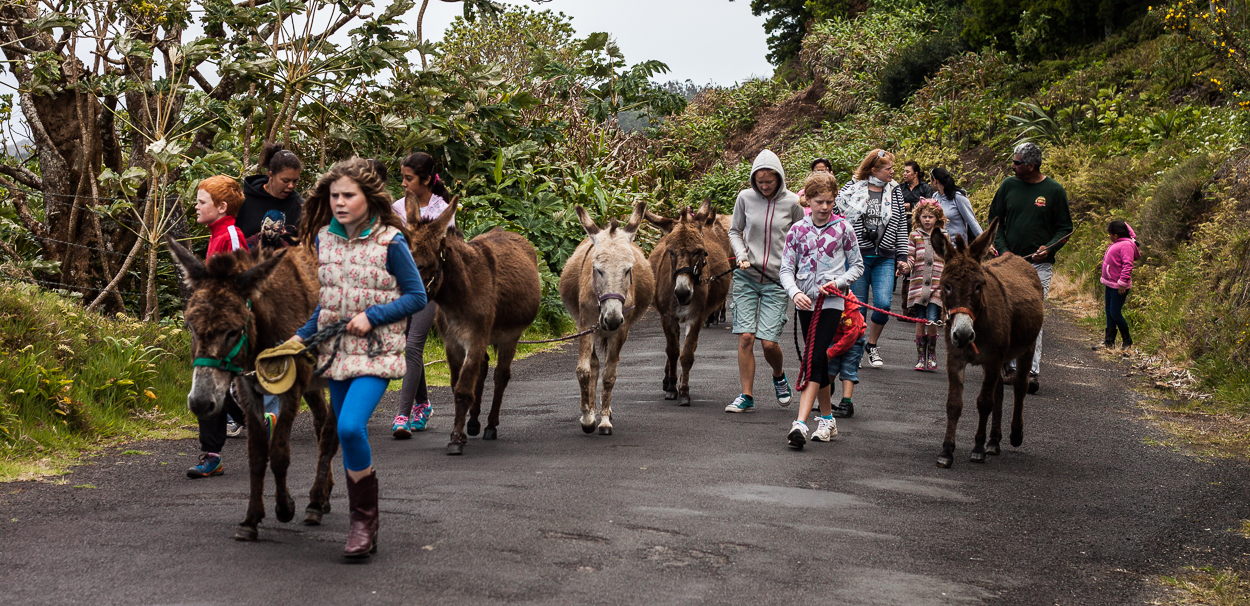
For the past two weekends have started with a morning walk, nothing exceptional there of course. However the walk is along a section of the central ridge, with stunning views down to the Atlantic Ocean on either side, this walk is not a normal walk, when you then factor in the fact that we are walking, or should I more correctly say being walked by Donkeys, then we see that nothing in St Helena is normal, and few things are less than exceptional.

You can tell by peoples clothes that the central ridge is almost always chilly due to the high winds.

You can tell by peoples clothes that the central ridge is almost always chilly due to the high winds.

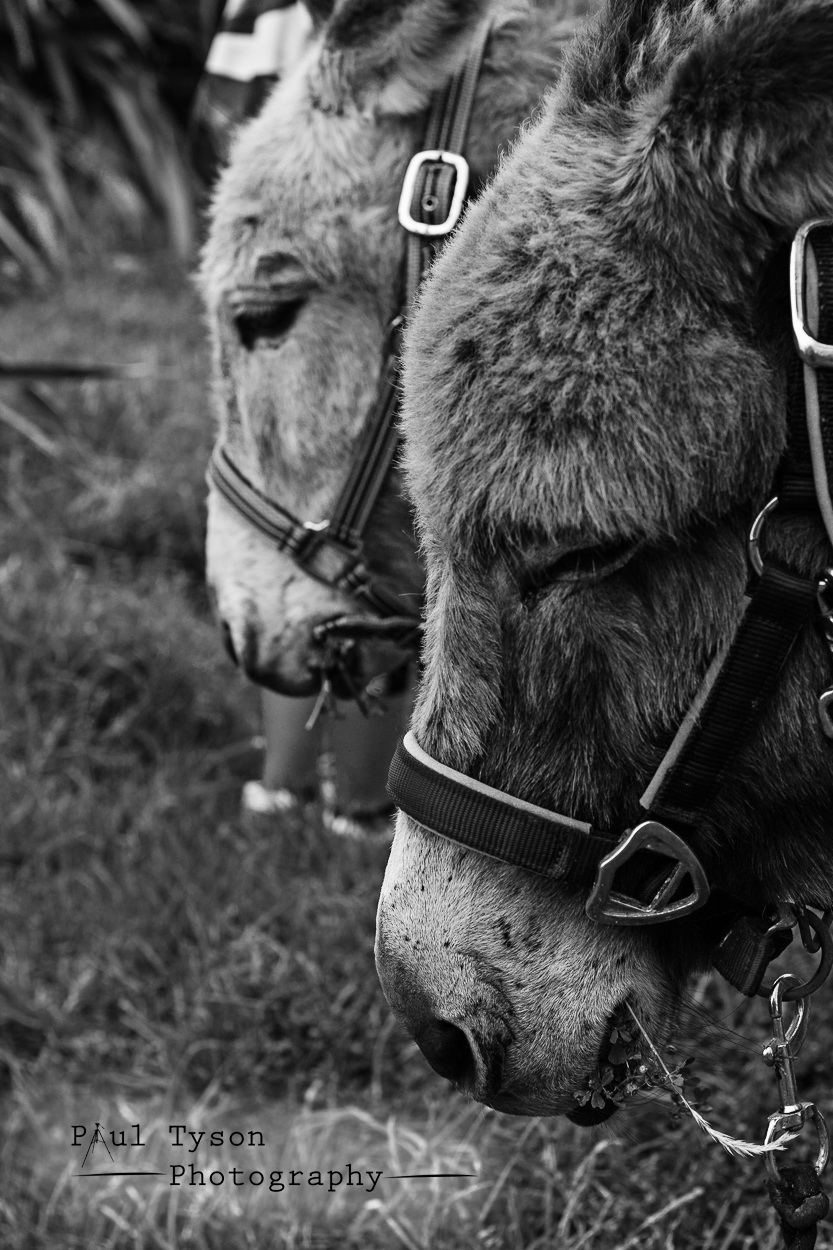
The island of St Helena, given its extreme topography, had relied for many years on the use of donkeys to haul goods, food, water, fish and lots of flax around the island and up and down extreme cliffs, mountain paths and just about anywhere they were needed. As little as twenty years ago it seems that donkeys were still in very regular use across the Island. Thankfully with improved roads and more significantly, improved cars and trucks, the donkeys are largely surplus to requirements and a good number of them have now found refuge in the St Helena Donkey Sanctuary. Set up some four or five years ago to provide a restful retirement for these lovely animals and providing, each Saturday, the opportunity for the public  to take them for a walk.

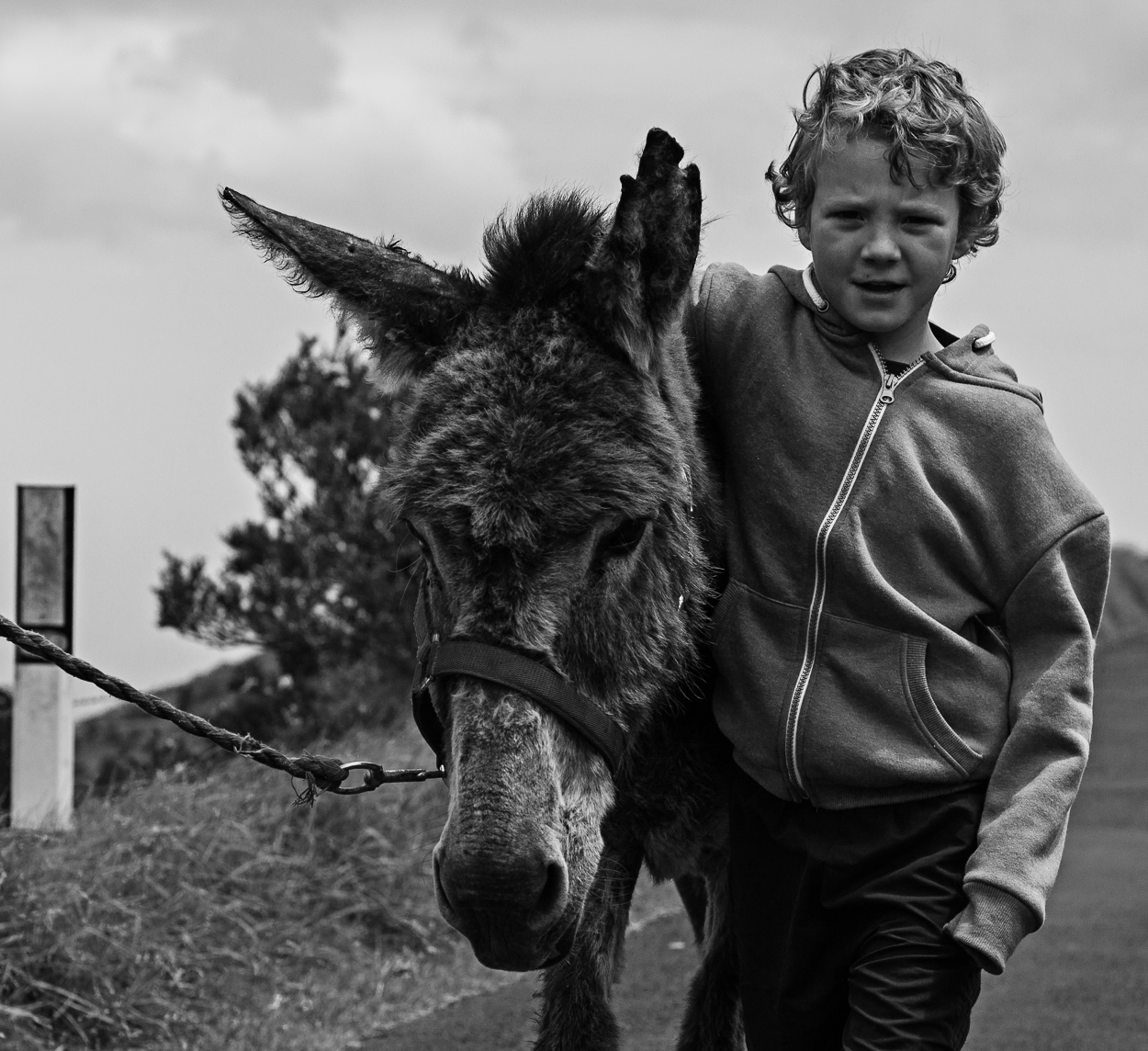
Like me Oliver loved Prince.

Like me Oliver loved Prince.

This is one of the unique things about St Helena, a large group of people, locals and expats alike, and from all walks of life, gathers to enjoy the simple pleasure of walking a donkey.

I was lucky enough to walk Prince, a grand old boy, weak in the knees, almost blind, and absolutely lovely. One of the few donkeys to of still been working as little as a few months ago he is now enjoying his leisurely life in the sanctuary, Prince and I bonded well.

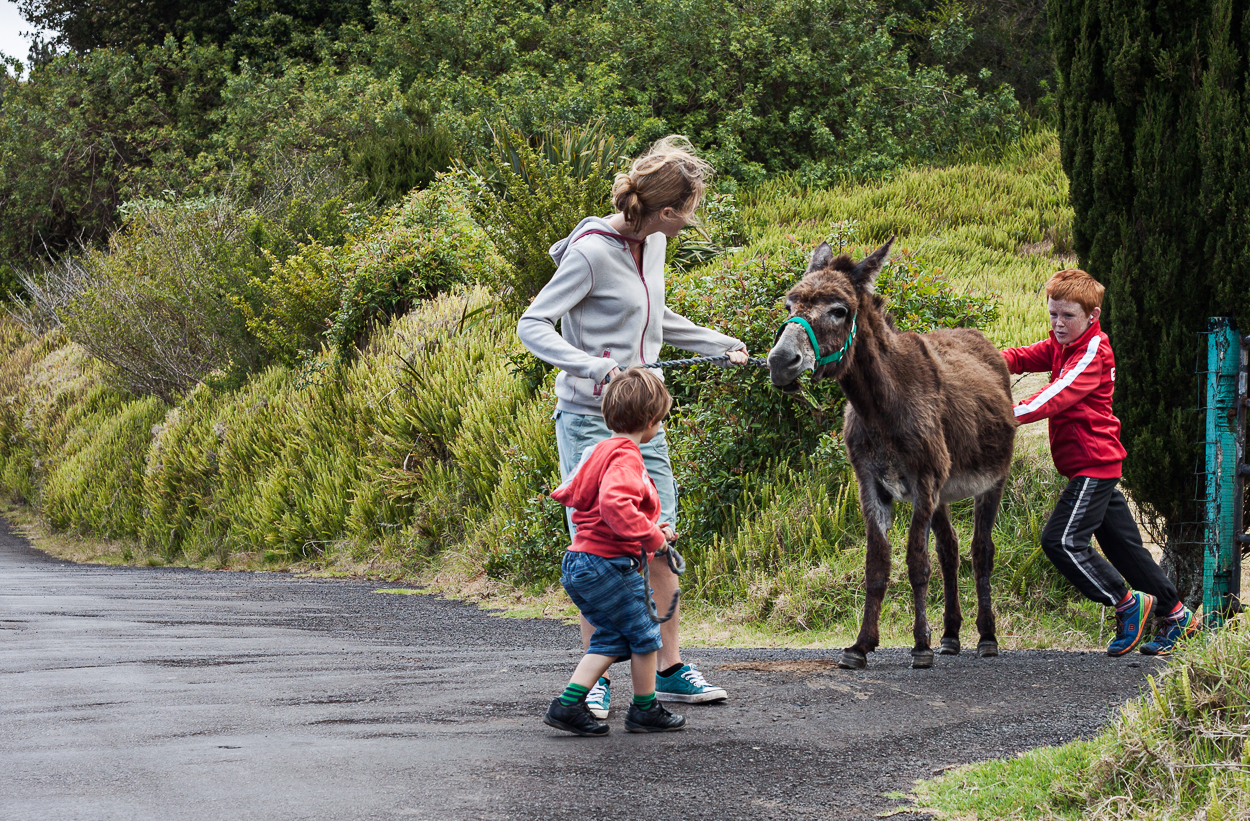
Prince did have his stubborn moments when he would just point blank refuse to move.

Prince did have his stubborn moments when he would just point blank refuse to move.

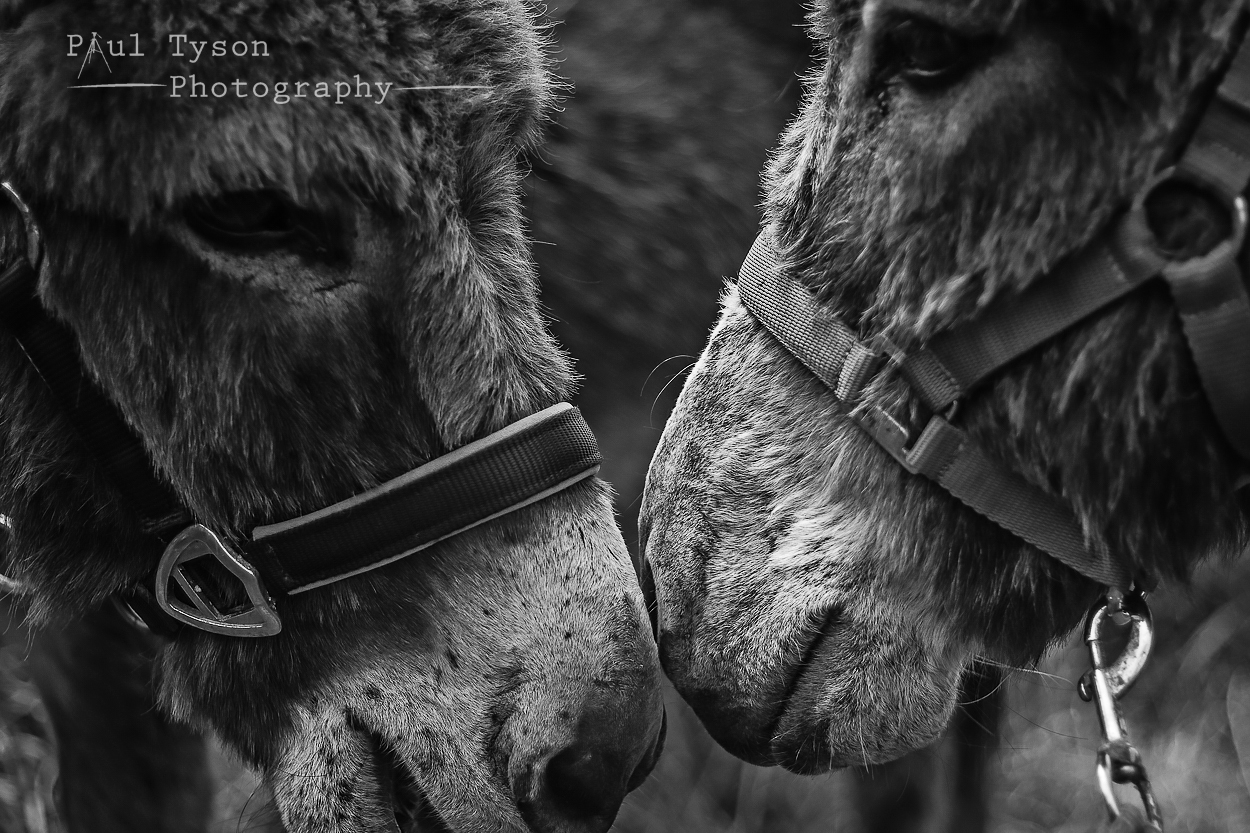
Wonderfully gentle animals.

Wonderfully gentle animals.

Donkey Sanctuary St Helena

We also took in our first post box walk as a family. Across the Island there are numerous walks, and a few years back attempts were made to open up some of the walks, at varying difficulties to make them accessible to tourists and locals alike. Each is finished at a small post which contains a stamp with which the accompanying guide book can then be marked upon successful completion of the walk. We took on one of the easy walks up High Peak, one of the highest peaks on the Island but little distance from the nearby road. Taking a route through steep slopes of thick flax some 2m or more high,  the boys felt like explorers cutting through a thick jungle. Past a spring full of tadpoles and eventually up onto a high ridge with extraordinary views of Sandy Bay.

As we passed through the flax jungle, Charlie started to scratch his backside, nothing as it happens of any particular surprise when Charlie is concerned. After a while I told him to leave himself alone and he exclaimed, “but I have something in my bum!” . Somewhat dismissively I agree to check and sure enough, reaching into his shorts I pulled out a  small round shiny object, a Trolley Pound! How on earth a trolley pound found its way into Charlie shorts on an Island that does not even have trollies I will never know!! Reaching the summit we saw our first endemic St Helena Tree ferns. These ferns are prehistoric and although only in isolated stands on High Peak they still take you back to another time or world.

High Peak. Marking the start of the walk.

High Peak. Marking the start of the walk.

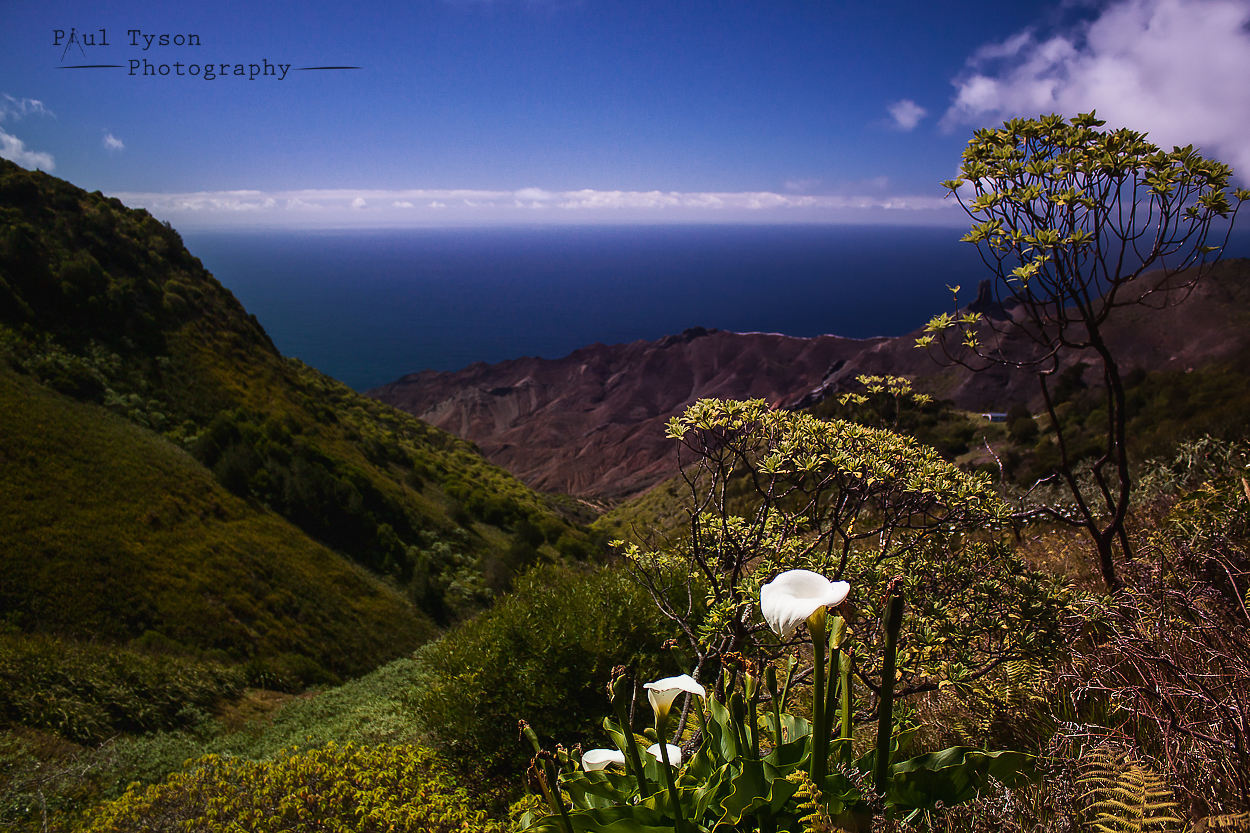
Sandy Bay Amphitheatre and Arum Lilly

Looking down on Sandy Bay Amphitheatre from High Peak

Looking down on Sandy Bay Amphitheatre from High Peak

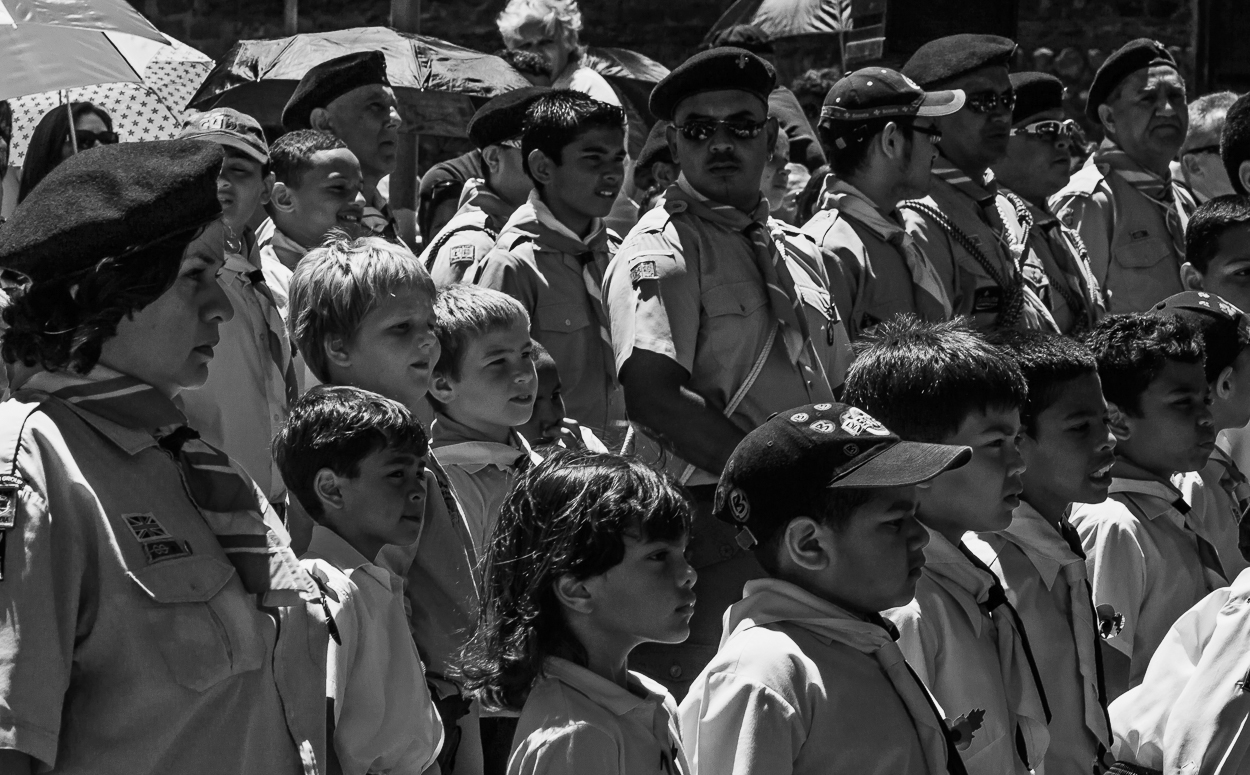
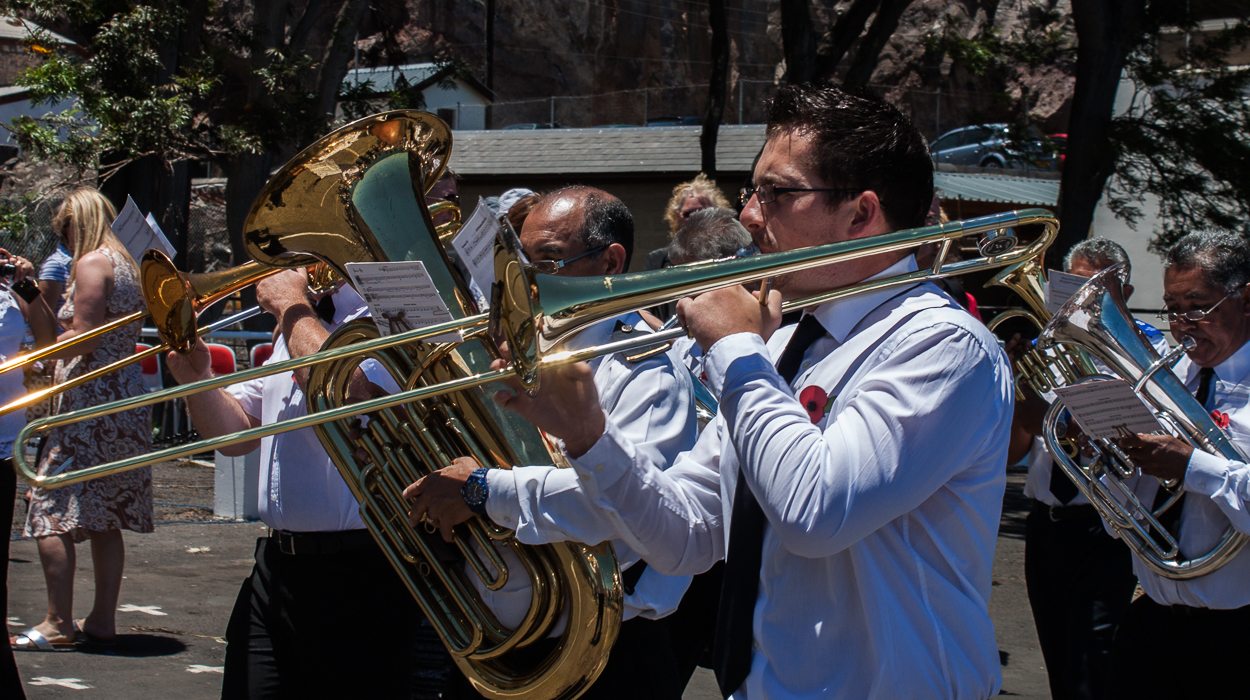
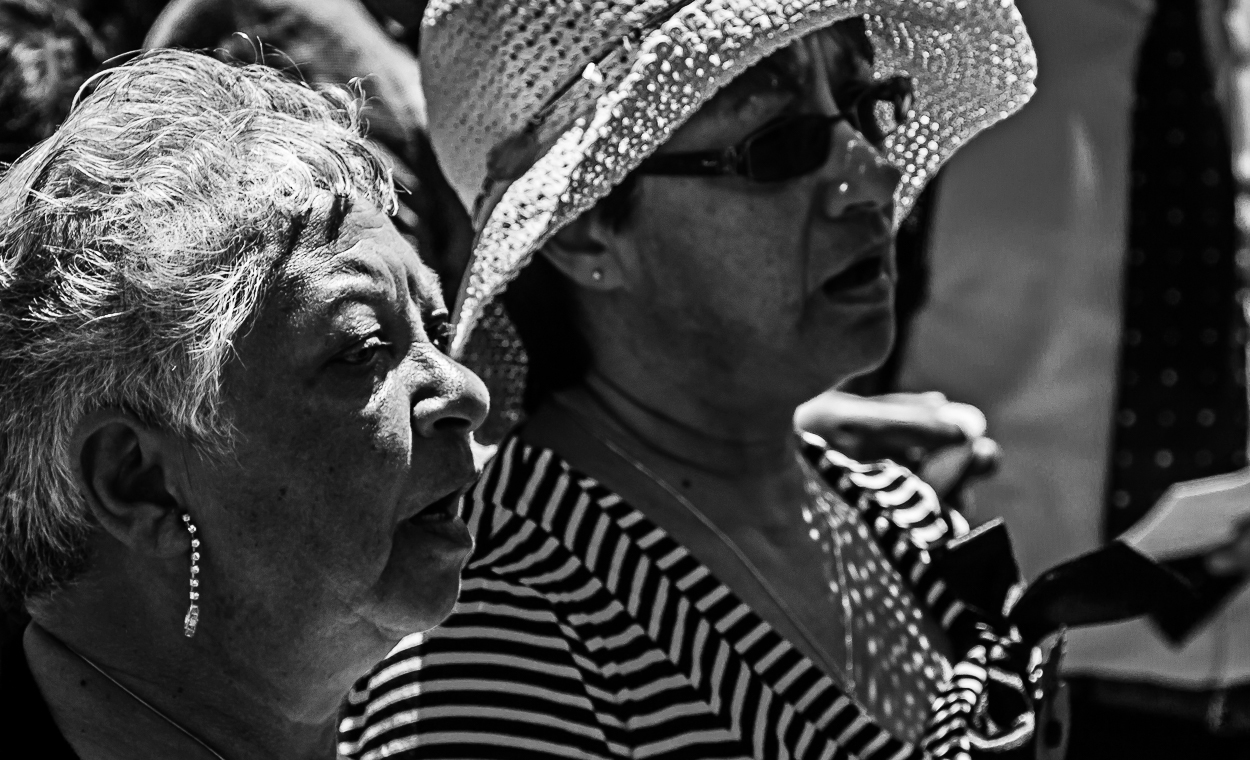
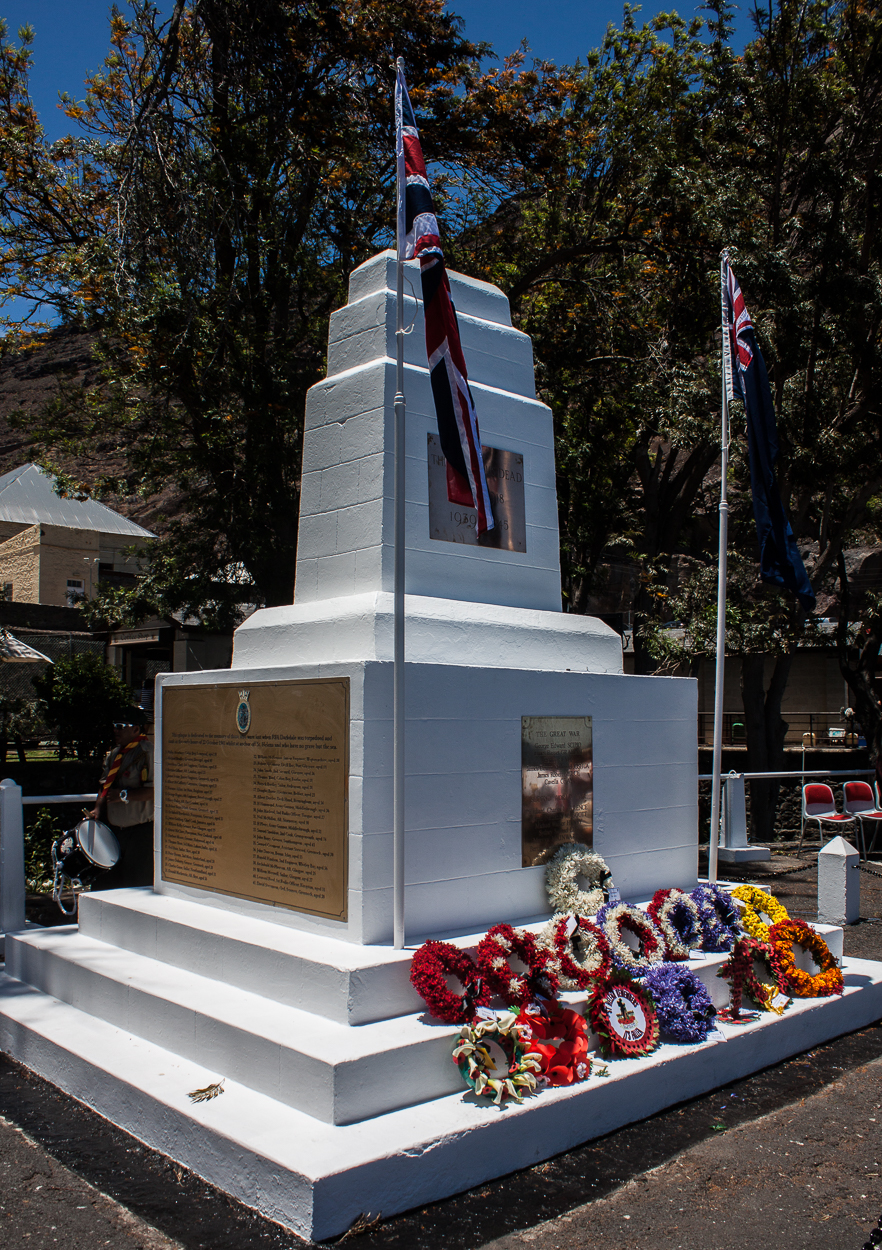
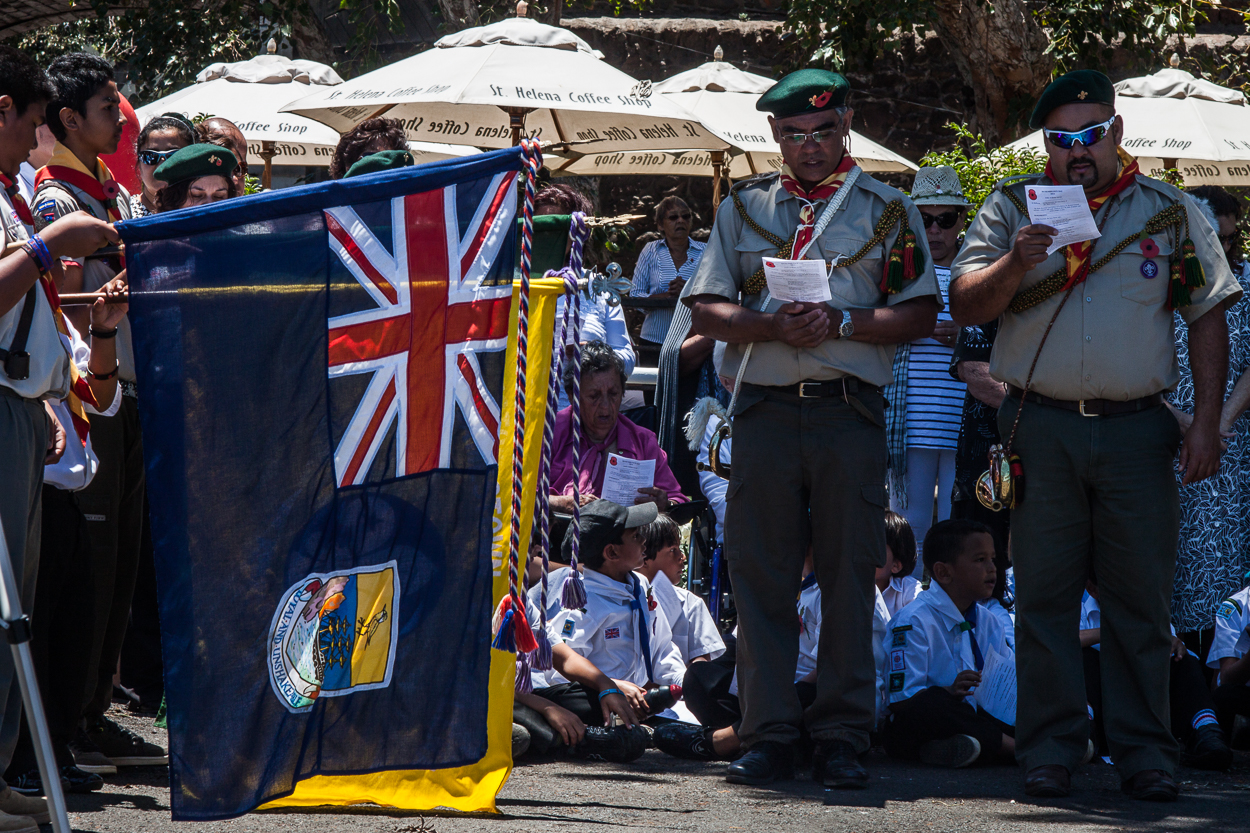
The morning of the 9th of November, was spent, like many others paying our respects to those who gave their lives for the freedom of all, and somehow even this was different on St Helena. Held at the island’s cenotaph on the water front a large crowd had gather to pay respects and watch the ceremony led by acting Governor Burns. The sound of waves crashing behind us added to the atmosphere and the boy’s impeccable behaviour helped to make the morning an enjoyable and somehow appropriate one.IMG_9984

Good friend John playing at the remembrance service.

Good friend John playing at the remembrance service.

IMG_0005

IMG_0034

IMG_0020

The afternoon was spent in the sunshine in James Bay, rock pooling and testing out my new wetsuit with a little snorkelling in the bay. Bev and I have now passed our diving theory course, the pool is almost full and we can expect our practical lessons to commence in the next couple of weeks. Given the quality of snorkelling just yards from the town centre I simply cannot wait to don my cylinders and step out into deeper water and the numerous shipwrecks around the Island.

Friday night saw our regular evening at Donny’s bar watching the sun go down. This Friday however took a new turn and I stayed out late, drinking Gunpowders (Spice Rum, Lime and Lemonade) and treating the crowd to my karaoke talents, friends at home will know how I love a bit of karaoke. Along with ex-pats and Saints alike we all partied into the night and after much singing, dancing and many many drinks a great night out Saint style was had by all. It is a long time that evenings have been warm enough in the UK to be out under the stars till past 1am, but I suspect it will not be an uncommon occurrence on St Helena!

Oliver has joined in with one of the local junior football teams on a Thursday night. Lack of numbers on Island  and the season coming to a close means he currently is the youngest player amongst a group of players up to twelve years in age. After a tentative start he thoroughly enjoys going up against “the big boys” and I hope it will help him learn and develop and increase his confidence. I am also enjoying the opportunity to coach again, (I coached an under 6 team back in the UK, one of the things I miss most) helping out with the local coach of all sports here on the island.

Finally I am especially pleased to report that I have started work with the St Helena National Trust. Although the post is unpaid due to the limited budget of the trust I will be working part time as Director of Communications. The St Helena National Trust, like that of the UK and other nations is a non-government organisation, a charity, established for the protection of the Islands built, natural and cultural heritage. The work they do and plan to do is vital to the Island and I am very proud to be a part of it. A fantastic opportunity for me to develop many of the skills I had already established in previous roles I will be responsible for company branding, internal and external communications, developing interpretive material for historic and natural sites on the Island and will have the enviable opportunity to work on the production of a guide book and photo book, featuring my own work. If I am able to leave the Island with a book I produced to help others gain the enjoyment I am, then I will be very happy indeed. Keep your eyes peeled here for how you can help with this exciting and important project.

So another two weeks has passed by, and once again I have the opportunity to sit and recount the story of my family on St Helena. Writing a blog has become very important to me for many reasons, to reflect and realise the wonderful opportunities we are lucky enough to be enjoying is, I think, the most important of those and I can scarcely believe .that three months into our adventure I still have so much to talk about.