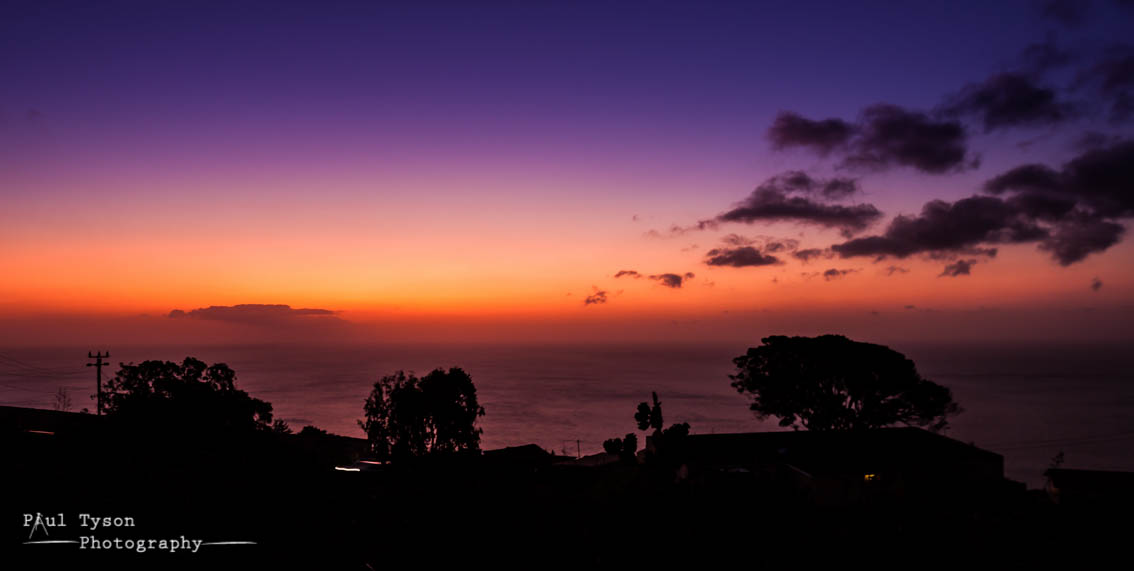
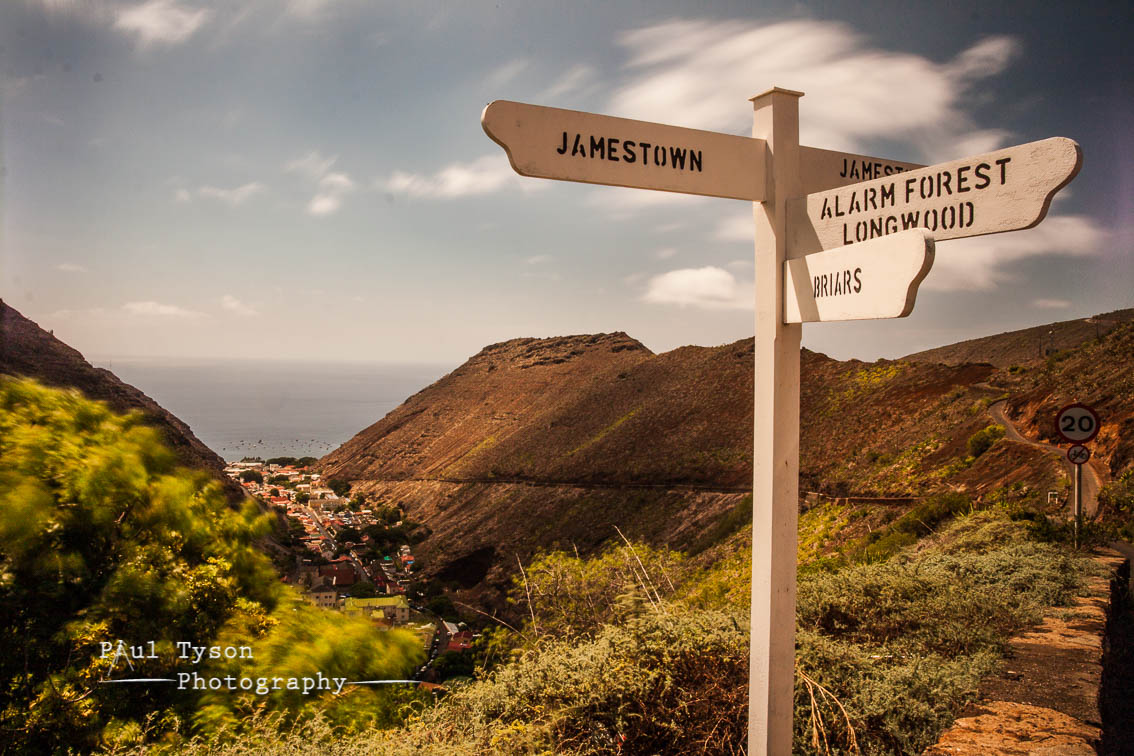
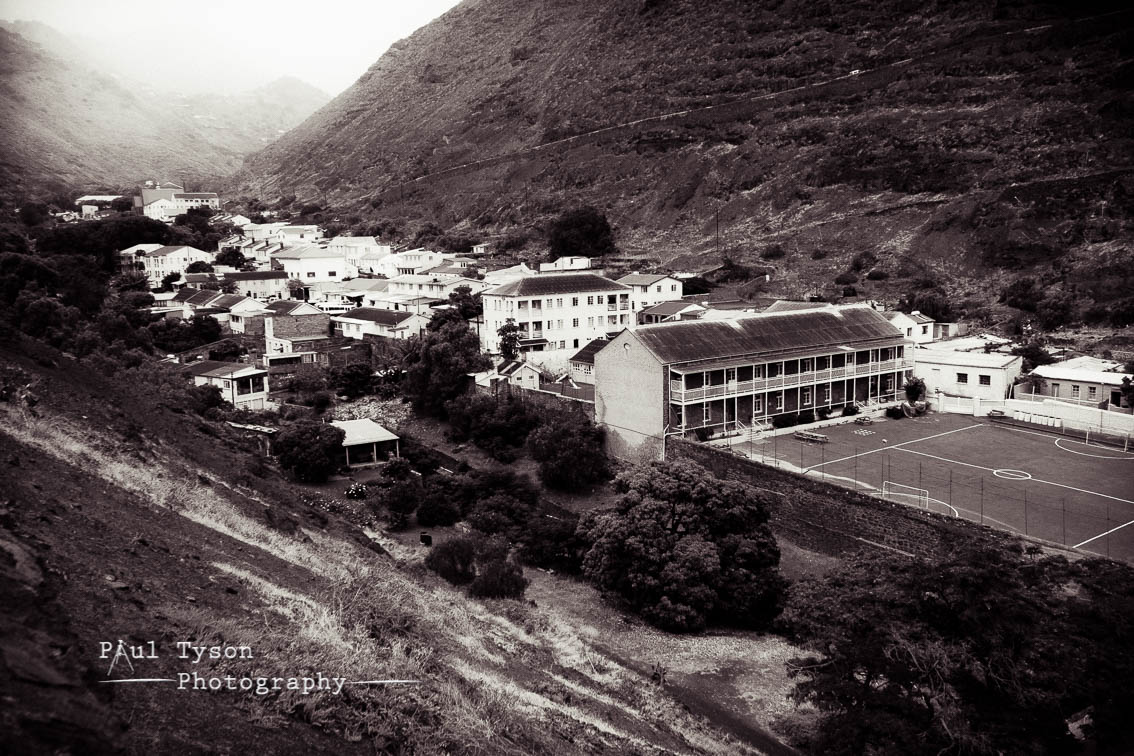
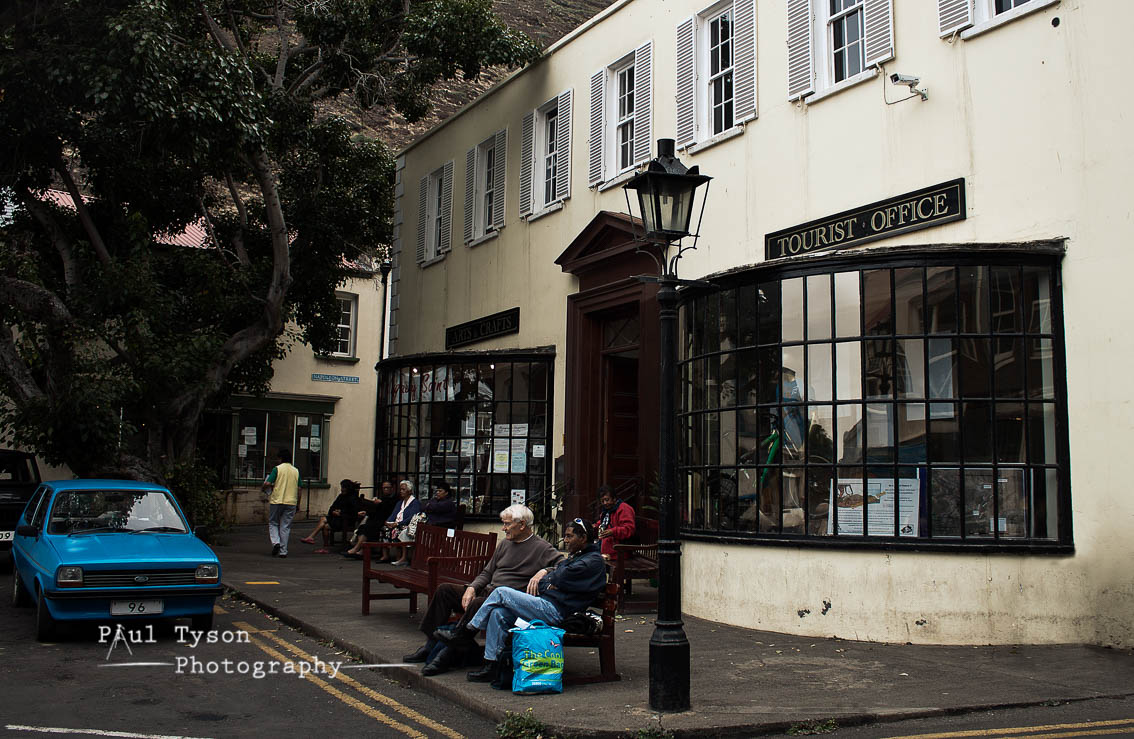
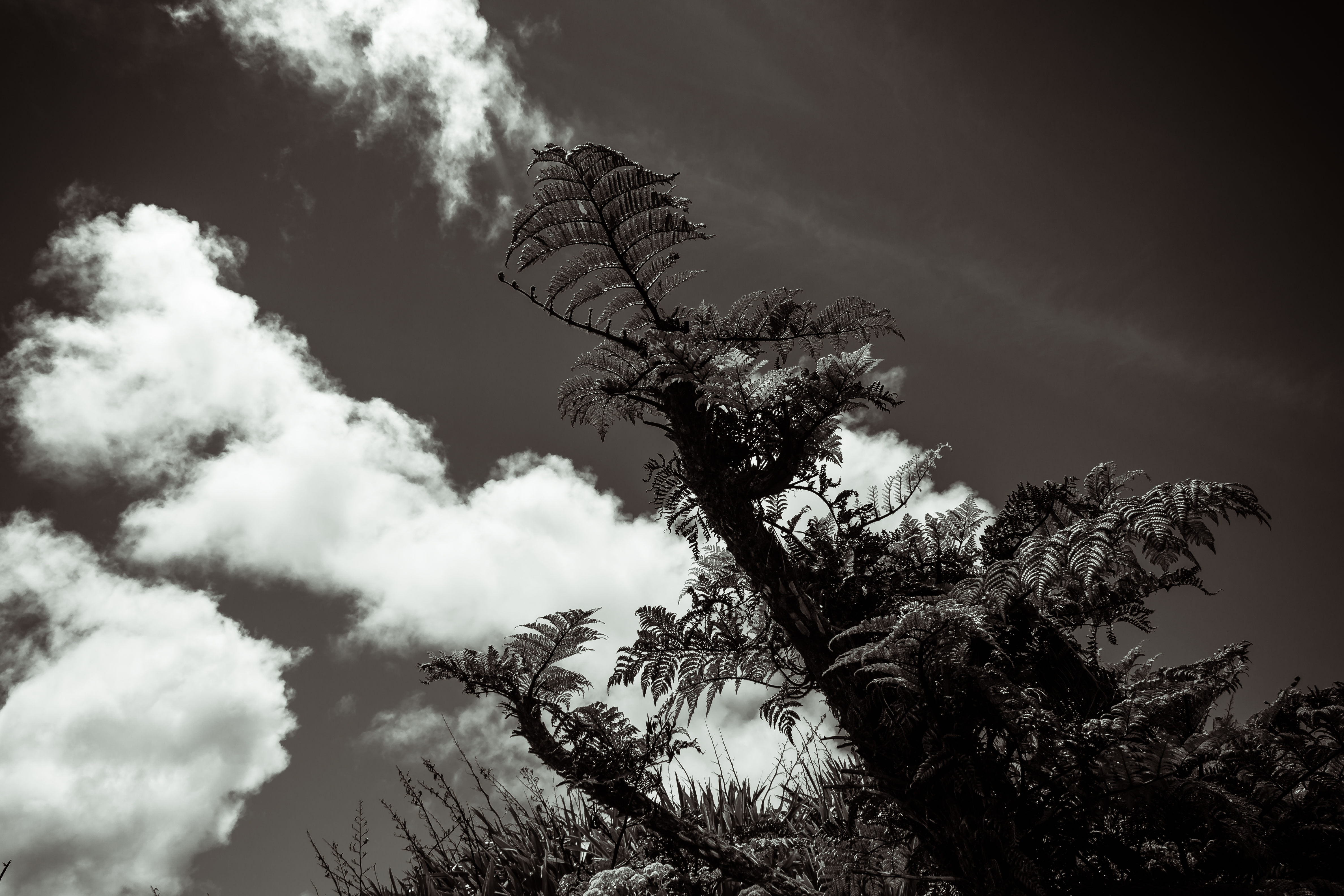
I had the privilege of being asked to photograph the gardens at Longwood House for a magazine in Sweden. Despite some horrendous weather recently, Im really pleased with what I achieved. Here is the album in full and I hope you enjoy these images as much as I enjoyed taking them.
Yearly Archives: 2015
You Don’t Know the Davids?
On St Helena, more so than I have encountered elsewhere, families, and, ex-pat families in particular, are referred to collectively by their surnames. We, of course, are The Tyson’s, there are the Day’s, The Durkin’s, The Grahams, The Hannah’s and so on and so forth. Couples however do not get that treatment, they are referred to by first name, but always together, Sam and Paul, Ian and Tina, and of course there are the individuals, Jon, Christine, Lisa and Heidi, and many many others.
And so it was that on Friday we headed down to the Coffee Shop, the waterfront venue for a weekly wake of sorts, where people gather to say their goodbyes to friends, families and loved ones leaving the Island. We went to say good bye to Lisa and Keith, Heidi, Christine, Felix and the Hannah’s. It is a strange affair which, for many Saints, is a very very sad moment, saying goodbye to family members as they move abroad, to Ascension, Falklands or the UK to find work, often not returning for many years. For others it is an opportunity to show respect, for a work colleague who has completed their contract, who has made a difference and a positive change to the Island, one who will be missed professionally as well as personally.
For me, the regular goodbyes at the St Helena coffee shop mark an odd passing of time. They are sad and sombre affairs that force one to reflect on the limited amount of time we have here, the finite nature of our new life, one that does not sit within the realms of reality, but instead is a precious dream, that we will wake up from all too soon. Friday’s Coffee Shop breakfast was important for a number of reasons, saying goodbye to Heidi, a nurse who was on a short-term contract and who has touched many people in her time here. Making huge changes in the Hospital in terms of staff training and moral, but also touching people with her kind nature and good heart. Heidi has a way of making you feel like part of an extended family, like we have known her for years, she will be missed.
It was also important as we said a temporary goodbye to the Hannah’s, and her Ladyship, Christine. Those of you who have stuck with me from the start will know that Christine and the Hannah’s travelled to St Helena with us, on the same voyage aboard the RMS St Helena. They are now returning to the UK for their mid-term break, something that we will be doing in just three weeks’ time. How we have reached the halfway mark already I have no idea. I look back with great fondness at our first meeting at Cape Town Airport. Other St Helena bound people were easy to spot once we had passed through customs, looking tired, bewildered, and with the same “I wonder if they are going to St Helena” look about them. The people I met then, are not the friends I have now, it’s like we were different people, tentatively approaching each other, asking who, how and why type questions and building the first bricks of friendship.
Also on the RMS with us were the David’s. They were a step ahead of us, and, along with the Day’s, were returning to the Island following their own mid-term breaks. They proved to be a fountain of knowledge and great friends, we shared our Christmas with them, and many happy memories, but alas like others before the David’s had to leave. For me, St Helena is not the same without them but for others, it is no different, for others, the David’s mean nothing, they did not have the privilege of spending time on the Island with them. The Lockley’s bought a trampoline from “someone called the David’s?”, Heidi, whom we said goodbye to this week, does not even know them. How can you not know the David’s? The Day’s leave in three weeks, we are lucky to be sharing their final journey on the RMS with them, a time will come when we return in September where we will meet people who never met the Day’s, and so it will be that the Tyson’s will also disappear from the memories, the radio shows, the newspaper pages and the world of St Helena.
St Helena has a way of making celebrities out of people. People with influential jobs, big personalities, or who involve themselves with everything, quickly become known, become talked about. But they will pass, they will become another ex-pat who came and went, that will be talked about no more. But of course, there are those who are not transient, the Saints. For Saints this is not an adventure, it is not an experience something to add to their life CV. It is not a fantastic dream that they will wake up from, it is life. We make efforts to make friends with Saints, and by all accounts, we are doing ok, but it is important to remember that they have friends, and families, they don’t need us in the way that we need them. Making friends with Saints here is part of the experience, to get to know the true nature of a place you must get to know its people. That is not to say the friendships are not genuine, we have met some lovely people whom I undoubtedly class as friends, but the Saints have seen it all before. They have seen people like me come and go, time and time again. They somehow, in the face of it all, remain friendly, and in the main their affections are genuine, their smiles and waves carry meaning. But we will never be “one of them” how can we be. All Saints know that sooner or later, we will leave. For some, the hurt of losing good friends over and over causes them to hold something back, not friendship, but perhaps love. And who can blame them, we may make friends, but we are unlikely to become loved ones.
And so as I looked around at the Coffee shop, I wondered who would be there to say good bye to the Tyson’s in twelve months. Would people think fondly of us, will we of made a difference. Will people on Saint Helena remember us when we are gone, will we leave behind friends or even loved ones, and will there be anybody left at the Coffee shop, in July 2016 as we say our goodbyes, who will even know the David’s?
To keep their memory alive and well here is my little photo montage of our good friends, the David’s
The Best Yet
I pointed my torch upwards, my hand above my head as I watched the bubbles dance and flash in the beam of light. We broke the surface to the sound of gasps, a short silence was quickly broken by chattering’s of delight after what was, to all of us, an amazing experience. As I look at a solitary star breaking the cloud we head back to shore, the excited conversation fuelled by our shared experience and a degree of cold chattering.
Night diving is a unique experience, the lack of sound, tunnel vision and inability to communicate makes diving a very insular personal experience at the best of times. As you descend into complete darkness, the sound of your own breathing is all you can hear, the flash of torches around you all you can see, night diving is on a whole new level of alone in your own thoughts.
A group of eight descended together at Long Ledge, a slowly descending wall of rock running perpendicular from St Helena, and home to one of the most diverse dive sites on the Island. Only my second night dive I could feel my rapid breathing, as I keep a very close eye on my dive buddy, and for today, dive leader Ross. The advanced dive book tells me it is important to keep in close contact with your buddy on a night dive, but in reality, the light from a torch, in complete blackness can be seen from a long way away. Nevertheless I maintained eye contact as we descended slowly, the bottom of the ocean only revealed as my torch beam moved across the blackness like a search light looking into a night sky.
Once at the depth of our dive, the group re-convened before moving off. Following our pre-dive briefing and having dived the site before, I knew we were heading towards a cave. The experience is surreal; you concentrate on the small circle of light from your dive torch, black all around with the exception of the other search lights moving like a disco glitter ball all around you. Like a moth I am drawn to my own beam of light, drifting off into my own world I forget about the world around me, my breathing disappears into my sub conscious and all that exists in the world is the flash of colourful fish, or ghostly elongated worms that sway in the swell. My dream state is broken by the waving of light in front of my eyes, my buddy checking I am ok and still with the world I give the typical “ok” hand signal before we move on together into the mouth of the cave.
At the mouth of the cave the bright white light of my buddy’s torch lands upon a huge red octopus, startled by our appearance his colour and texture flash and change as he decides his next action, take off and jet propel away, or camouflage and slowly slink off into the gloom. Wracked with indecision he sits, motionless, waiting for his new and unexpected adversary to make its move.
As we move into the cave it is narrower than I remember, the spot light of my torch brings the walls and ceiling in around me. I’m very conscious of my breathing now, knowing that a deep inhale will result in my head crashing into the delicate and beautiful sun corals clinging to the roof of the cave, whilst a sudden exhale will result in my stirring up the silt and mud on the cave floor, reducing visibility to zero. Crayfish are now all around us, the bright orange back drop of coral broken only by armies of crayfish, moving backwards and sideways but always with a gaze fixed upon us.
My dive buddy has bright yellow fins, a good job as otherwise I am clueless as to which light in the dark I should be staying in contact with, but the experienced leader knows where I am, and gives reassuring checks whenever he can get my attention. We move out of the cave and along the wall of Long Ledge. I have been here before, many times, but today the wall is bigger, it grows upwards and disappears into the haze. Now at 19m my torch will not reach the top of the wall, it goes on forever into the gloom. Its crevices and cracks are populated with black feather stars, twisting turning and waving their spider like arms in the current catching particles of plankton drifting in shore. Fish, startled by our lights dash from hole to hole, the sleep disturbed by these inconsiderate light bearers.
As I look closely at the wall, I see two small lights shining right back at me. Tiny and insignificant I am drawn towards these lights, until the twinkling becomes the reflective eyes of bright red dancing shrimp. Slipper Lobster are now dashing across the sand bed at the base of the wall, and a giant crayfish feeds obliviously on a nearby rock. I approach cautiously, resting my arms on the sea bed just behind the distracted armoured soldier. His foot long antennae brushes my arm and the crayfish realises he is not alone. With a flick of his tail he shoots backwards and is gone.
Following Ross’s lead we turn back, retracing our fin strokes back along the wall, when suddenly our path is veering off, into the black, featureless sand beds nearby. I look around, and others are following, so I trust that we are going the right way and after what seems like forever, time having been lost along with the sunlight, we stop. With some confusion I find myself turning off my torch, clearly the instruction Ross is giving. As they arrive others do the same, albeit with a good degree of “what on earth” going through people’s minds. Then, with a large swish of his arm we understand in an instant what we are doing sat in the dark. As we all start to flail our limbs frantically we see bioluminescent bacteria all around us. The absolute black is broken only by the twinkling of glitter all around. I wave my arms like a small child, mesmerised and delighted with a feeling of shear exhilaration. I imagine myself in a snow globe, a black one. I know of nothing around me, I feel claustrophobic but giddy; I am in a dream world. I do not know where any of my dive group are, I do not know which way I am facing, and only the sand at my feet gives away my orientation. I know that at some point a bright blinding torch light will come on, and my snow globe will be shattered, but for now I am alone, all around me is indescribable flashes of glitter and light and time passes beyond meaning.
Inevitably a light is turned on, and the group follows, I take comfort that I hadn’t just been left alone in the darkness and we set off back towards Long Ledge. I have no idea which way to go, but I follow the light and yellow fins of my buddy, trusting he knows more than me. As we journey back to our start I see more octopus, twirling ghostly worms, slipper lobster and armies of crayfish. Checking my air I start to think we must be reaching our ascent point. I suddenly see the light of Ross’s torch frantically waving in my eye line. As I turn round a huge white ghost appears out of the distant gloom. Slowly, and purposefully the ghost becomes reality as I realise that a huge green turtle is swimming purposefully, determinedly, toward me. My heart stops as he swims close by, his colours lost as he appears white in our torch lights. By now the group is all around, lights all fixed on the turtle as is slowly twists and turns around us. As it passes by my, I could touch, but I don’t. I remind myself of what I learnt in my theory course. You do not touch the marine life, I think about what the rest of the group will think should I stretch out my arm, just to see, just to touch.
After several minutes he swims upwards and away, a few of us swim alongside for a while. His scale now becomes apparent as a grown man swims alongside and looks small, insignificant compared to our ghostly companion. I have seen Green Turtles before, but this was huge. The largest Green Turtle recorded was 5ft long, but I’m convinced this was longer, its huge shell carried upon his back. As he swims we lose touch, unable to keep up, but like a petulant child attempting to make us play by his rules, he instantly misses the companionship and turns heal right back toward the group.
Before deciding to take a rest on one of the dive group’s knees, the turtle swims toward me once more. This time I have no choice, he swims right into me, his huge fin pushing down against my side as if to play with me. As I reach out my arm and stroke the length of his smooth shell I think about what the others might think, and then I think, “I just touched a Sea Turtle” who cares!!!
As quickly as he arrived our new friend has gone. Looking at our now depleted air we start our ascent. After a safety stop I point my torch upwards, my hand above my head as I watched the bubbles dance and flash in the beam of light. We broke the surface to the sound of gasps, a short silence was quickly broken by chattering’s of delight after what was to all of us an amazing experience. As I look at a solitary star breaking the cloud we head back to shore, the excited conversation fuelled by our shared experience and a degree of cold chattering.
We sip soup as we return to James Bay, grateful to be warming up. But my heart is already warm. They say that happiness is based on collecting experiences, not material goods. This was an experience, this will live with me forever, this, makes me very happy indeed.
Gravity Rush 2015
SHAPE (St Helena Active Participation in Enterprise) is a charitable organisation of St Helena who work tirelessly to provide opportunities and activities for St Helena’s disabled people. Providing work and activities cantered around crafts and business SHAPE recycle everyday materials to produce craft goods of surprising quality from soap to necklaces made of reused magazines! With the appropriate mantra “Enabled no Disabled” SHAPE receives government funding for its activities, but must make up a 30% shortfall each year and does this through sales of its products and, more recently in its annual find raising event, Gravity Rush.
For the past three years, SHAPE has invited people to hurtle themselves down a hill through Jamestown on homemade go karts with no short measure of thrills, spills and crashes the event proves to be a popular and lucrative day. Having donned my “official” high vis jacket to allow me close access without being questioned I was more than excited to take up residents near the finishing line with my new camera and “big” lens and snap away. Sadly a few spectators did get injured, although this appeared to be due to those people not standing behind the appropriate barriers, but, despite the obvious concern it did not dampen spirits as spectators cheered on the contestants as they hurtled down the hill. Thankfully no -one was seriously hurt, and the event was a huge success, with no shortage of drama, crashes, clowns, water balloons and even two front wheel falling of one kart, the thirteen teams became one winner.
My take home memory of the day is that of community. Where else would we attend a public fun day like this, and know virtually everyone involved. As I look through the crowd there is scarcely a face that I don’t at least recognise. The stewards, the contestants, the clowns, the police, the press, the commentator, and all those in between I knew by name. Gravity Rush 2015 would be a great event for anyone to attend, but when your here, and you are part of this Island, you are part of everything the Island does, and it is a true privilege to look around and see friendly faces at every turn.
Its Life Jim, But Not As We Know It
Ive concluded that my life on St Helena is in no way what I expected, not that I really knew what to expect, but I did not expect this.
I am, to all intense and purpose, running my own business in photography and design. How on earth has that come about? Granted there has been a lot of hard work and now, money, gone into the photography, and Ive always dabbled in producing posters and playing with adobe software, but when I left the UK I was a Marine Biologist/aquarist, since then I have become a communications manager, a business owner, and, photographer (I still find it difficult to say that as I feel very much an amateur and suspect I will be again on returning to the UK)
In recent weeks I have been somewhat overloaded with work, whilst this is obviously a good thing, the house looks like a tip as my house husband duties have been somewhat neglected and regrettably I have had to relinquish my duties at the National Trust. I simply haven’t had time to devote to Trust work and do not wish for people to be relying on me when I cannot deliver. I have much unfinished work at the Trust and who knows if my business does not continue to thrive I may be back there.
My work has been extremely interesting; a contract to photograph sites connecting to Napoleons exile on the Island has been very exciting. My work will be the sole photographic contribution to a new guide book for the Island. More recently I have been photographing sites across the Island for a development portfolio and I am in the midst of a big project for the Environment and Natural Recourses Directorate, providing a stock of images of the various activities and work that fall under their umbrella. This has been a fantastic opportunity for me, visiting sites I would not normally have access to. Watching large trees being felled has been the highlight thus far but lined up for me is a trip with the rock guards, brave men who abseil down cliffs to create controlled rock falls, trips with the Peaks conservation teams, visits to farms sites around the Island and lots more. It’s a large project but I cannot wait to get out there and stuck in.
The other side of my business has recently taken off with a contract to
produce the logos for a new start-up company,Saint Travel. This local firm are hoping to take advantage of a new era of tourism for the Island when the airport opens. From what I know of the business owners it will be a huge success Im sure, and any of you thinking of travelling to St Helena when the airport opens should look out for them once they become operational.
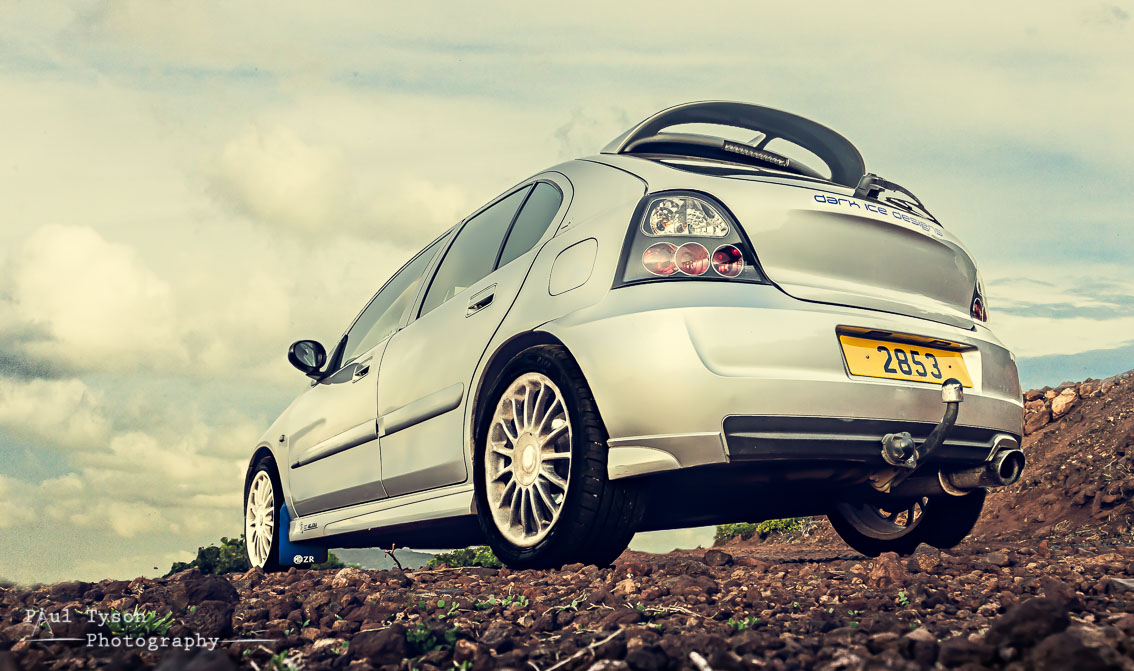
Back to the photography and I have started a new line of products for the St Helena youth, photographing and retouching cars. Many young Saints take a huge amount of pride in their vehicles, and I hope this will prove a success. Some of my photos will soon be on sale in the local arts and crafts store, and one of my first photos on the Island is to feature in a new St Helena calendar. With another photography course under way I am indeed kept very busy at the moment.
Not that my time is restricted to work. I have now completed my advanced diving certification and will soon start my rescue diver course. Thursday evenings are very busy as I continue to train junior football and finally as winter sets in the new football season starts on St Helena and Oliver and his team mates will have the opportunity to compete in competitive football with three other junior teams on the Island. New Horizons, a youth development organisation on the Island are fantastic, and the team there, managed by Nicky and Tina Stevens, work tirelessly to provide opportunities for St Helena’s young people. The fact that the various ages of the Junior leagues will have 90 players competing this year, (on an Island of 4000 people remember) is incredible and just goes to show how hard the team there work. As a side note, one of my team, whilst walking down to the pitched explained to me that “some people believe that the World is God’s House”, I agreed that, although not my personal belief, yes, some people do believe that to be the case. With a short pause for thought, the young man mused, “I don’t, I think he lives in the Consulate hotel”!! a fine recommendation for a hotel if ever there was one.
Sadly I fear my own football days are behind me. Somewhat unbelievably I am still having problems with my groin, more than five months after it last ruptured. Under pressure from Bev I finally conceded that I need to see a doctor, the appointment has been made. Unfortunately, such is the way of things here, whilst the doctors and nurses cannot be faulted, the waiting times can, and despite phoning on the 24th May, I could not get an appointment until the 12th of June. Ill let you know then if Im still available for Brenden Rogers to sign.
I am, as you can see rather busy, but I am not the only one. With the Marine Conservation Team starting their bird tagging again, Bev had a rather wet night on Egg Island. Starting at 4pm and going through till 1am the idea is to catch nesting Storm Petrels as they return from feeding trips to Tag and record their vitals before releasing. It is hoped this work will provide information on their population trends, and interestingly, whether two species, one potentially an endemic species actually exist on the Island. Bev is also now teaching Marine Biology O’level classes two evenings a week, (between the two of us we now do not have one mid-week evening where we are not out doing something in the community) preparing resources, lesson plans and materials for the new Marine Biology A’level which will start next year, carrying out her normal teaching duties and, most recently teaching science at a local primary school suffering from a major staffing crisis. I don’t mind telling you that despite claims from the government of the importance of Education on the Island, teacher wages are appalling. A Saint can currently earn more baking bread, or working the checkout, than they can educating the children of St Helena. This terrible situation has led to serious recruitment and retention problems. On an Island where unemployment is at virtually 100% it is people, not jobs that are in short supply, and if people aren’t rewarded sufficiently for what is a very difficult and highly skilled job, they simply go elsewhere and who can blame them. There are rumours abound that indeed this may change and that the teacher pay and benefits structure is being looked at and revised, I hope for the future of the Island that they get it right.
In other goings on it turns out I am allergic to Sea Water!!! Not a great situation for a Marine Biologist (if indeed I am still one of them) nor for someone with ambitions of achieving a Dive Master status. It dawned on Bev and I that I had had sinus problems for weeks and months, indeed, when we thought carefully, those problems have persisted since I started to dive. If I miss a couple of weeks of diving its starts to clear up. I have now taken to Anti-histamines before a dive, which seems to be helping alleviate the problem. Diving over the past two weeks has taken a considerable turn to the cold side, with seawater temperatures dropping to around 22C, enough to make a difference. What makes more difference however is the turn in the weather making the return journey a chilly one as winds have swept in and what feels like a continuous blanket of cloud has shrouded the Island for two or three weeks now.
A long dry summer has given way to winter, and I do not like it. A few weeks ago Connect, our local, and only utility provider issued stark warnings over the levels of water supply on the Island, insisting that if people did not severely limit their use then we could run out of water by July. It seems the weather gods heard their plea and promptly switched on the rain, and it has not stopped since. Despite the huge amount of rainfall we have had, water restrictions have been legally imposed on the Island this week, much to the bemusement of everyone concerned. The problem it seems lies not with the amount of rainfall, but with capturing and retaining that rainfall (see Ceri Samson’s blog for a great write up on how works to the natural environment can help this situation). Broken pipes and reservoirs empty for repairs don’t help, but in all honestly the situation is ridiculous and Connect frankly need to get a grip of things. I believe problems of aging reservoirs and leaks have been inherited by the current directors but being told we may run out of water as rain lashes down around us is bemusing at best and downright incompetent at worst.
The strange goings on do not stop there, after the announcement of the final voyages of the RMS ST Helena, and a string of “special” voyages were announced and tickets went on sale on a first come first served basis to those living on the Island. Such is the regard that this ship is held in that people queued outside the Solomon’s shipping offices from 4am, with even those at the front of the queue not being served until 9.30am. They say the British like to form an orderly queue and it seems that has rubbed of on Saint Helenians. Im am convinced however that waiting five hours before the offices even opened was not the sensible approach, and turning up at 9am most likely would of seen you getting your tickets an hour or two later.
My final story of this strange world we call home is that of the Prince Andrew School Annual Dinner Dance, a very posh black tie affair………or so we were told. After getting ready in our best attire (I don’t have much other than shorts and T-shirt on St Helena), my wife looked quite simply incredible and was sure to be turning heads. We turned up at the dubiously named Godfarther’s Rockclub which had been turned over to the school for a night of glitz and glamor. Sure enough as we arrived the ladies were dressed in their best gowns and the men looked suitably smart in black ties. The venue looked superb and the elegant table cloths suitably hid the plastic garden furniture underneath. However, this is where the façade fell down as we were called to collect our food from the buffet. A Buffet! I thought this was a posh dinner dance, I was expecting table service at least. Once at the buffet table the menu was bizarre to say the least, Beef Curry, Chips, cold ham and pork slices, breaded chicken pieces, and salad leaves. A weird combination at the best of times (Bev’s Mum and Dad would of loved this strange mix) and even stranger when being served as a buffet at a black tie event. Still, I went back for a second plate, and enjoyed the jelly and ice cream desert too! Despite the comical nature of it all we had a fantastic night with good company, music and dancing to my favourite band of all time, the Big Easy.
When I look back to our first two months on the Island I recall a time of confusion and feeling lost. Climbing Jacobs Ladder provided my goals for the week, and my blog was everything to me at that time. I was lost, not knowing why I had come to St Helena and what it was I was supposed to do here. It turns out I am still lost, still unsure of what I am supposed to do here, and it’s wonderful. I could not be busier and still have no idea what I will be doing next. Somehow I am running a business, which even saying still sounds bizarre, and even more bizarre is that I am a photographer. In a few weeks’ time we will be moving house, what will come my way then I have no idea but I cant wait to find out.
A little bit of everything!
My morning started with an early dive, to a new site called Devils Eyes, although the water temperatures have started to drop it was still a pleasant dive and we soon warmed up on the boat trip back to James Bay in glorious sunshine. After
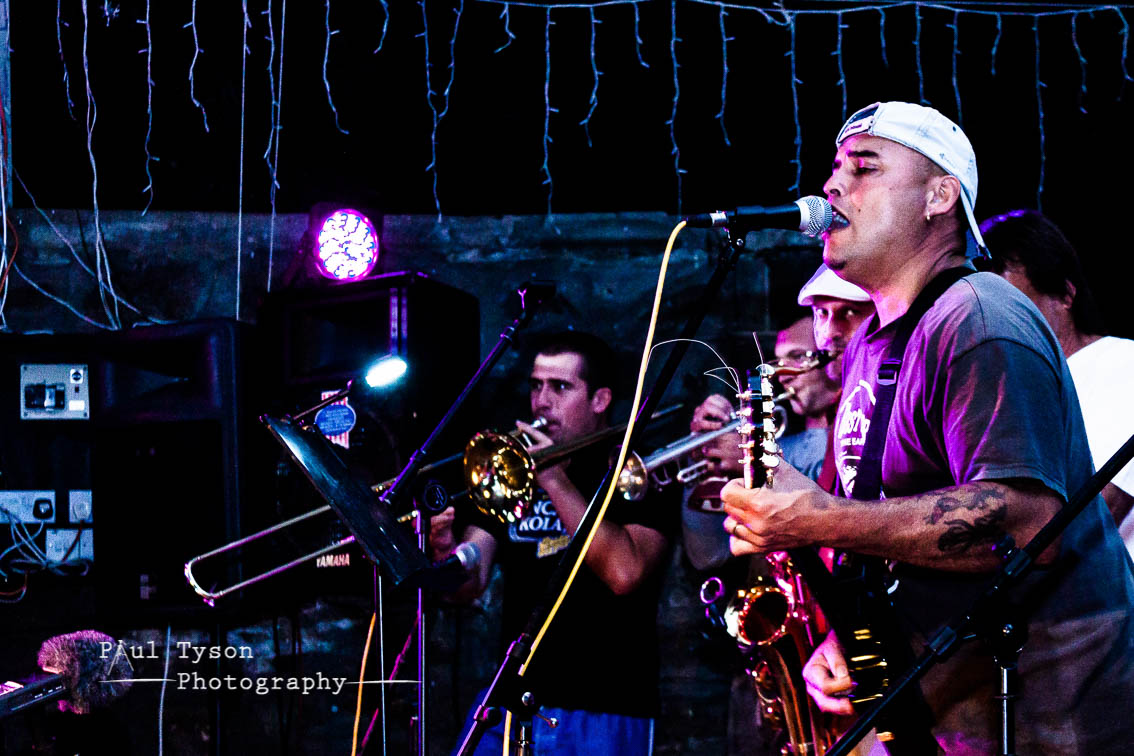
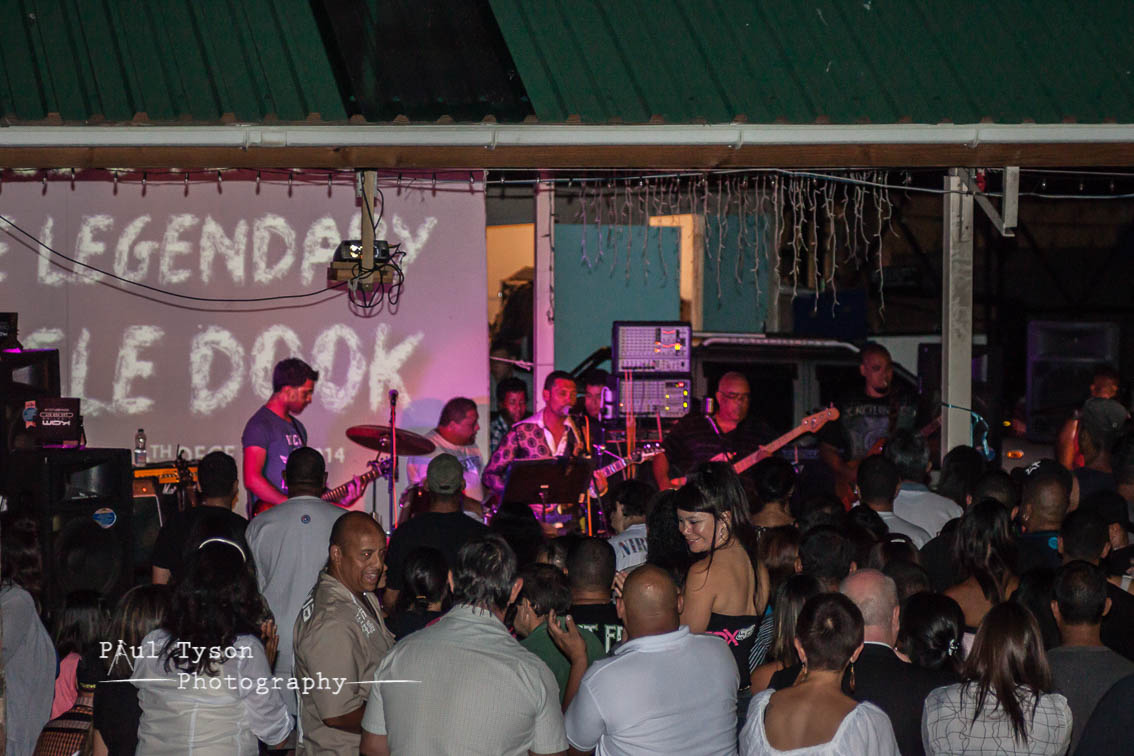
rinsing our gear, we all took to the wharf for a barbeque and beer, sat in tropical sunshine for lunch. Shortly afterwards, Bev and the boys met me and we spent the afternoon swimming, snorkelling and buildings sand castles at Rupert’s Bay. After a day like that, one has to consider what we would be doing in the UK on a given Sunday, for a total cost of £20, and after giving that some thought it makes me consider whether indeed we would want to return. Now I don’t wish to upset my family, and of course we will return home, but it will be very hard, it is more daunting a prospect that coming to St Helena in the first place was. Although I have not had chance to update my blog all too regularly, that is not due to lack of content, and now I have the job of trying to catch up with all the goings on. It seems to me to be the season for events, just today we have returned home from Prince Andrews School 25th Anniversary Fun Day, after once again diving this morning. Two weeks ago saw a night of music as local talent took to the stage for an Abba and Beetles night. I was pleased to be asked to take photos for the event and I was happy to support anything that raises money for New Horizons. The night was a great success, the singing was ……mixed, but everyone had a fantastic night in what was another sell out event. The lack of cinema, theatre and other evening entertainment plus the obvious community support means evening events are almost always well supported and this was no exception. The highlight of the night saw the re-union of a group of ladies who last performed together for the school some twenty odd years ago; it was the performance of the night and met with rapturous applause.
Thursday saw the annual St Helena day festivals, each year, on the anniversary of the discovery of St Helena the whole Island celebrates. Many have their own family traditions to celebrate this Bank Holiday, trips to Lemon Valley, fishing, etc. but for many, Jamestown becomes the centre of celebrations as the town is turned over to New Horizons to organise the celebrations. New Horizons is a fantastic local organisation providing sports, music, leisure and other opportunities to the Islands young people, it is a vital and under appreciated pillar of the St Helena community. St Helena Day has become their main fundraising day and what a day it is. When St Helena celebrates it is something special the sense of community and getting together is wonderful and infectious, when half of the Islands population gathers in one place it cannot help but be a great occasion. The day opened with a service to give thanks to everything the Island gives before turning itself to various sports events. Bev took part and came third in a gruelling 5km run, 2.5km of which is up the steep relentless side path road, rising from sea level 300 meters or so in an unforgiving and continuous 20 degree incline before a knee jerking quick descent back into Jamestown. Bev performed magnificently, finishing third just behind the two winners, not just for women, but overall. She may well have finished second were it not for the unplanned water stop. Had Bev known in advance that the woman taking an age to find a bottle of water from a bag in the foot well of her car, was not in fact anything to do with the race, she may not of wasted five minutes waiting for her. But third it was and better still she was presented with a Gold Medal, we presume because she came in first out of the women, and not just because they had no bronze medals.
Our sporting achievement continued as we, and our team, No Expectations, came in third overall in the Islands Fun Games, a collection of high quality Athletic events from throwing water balloons to wheelbarrow races. Reaching the final of the Tug-O-War event propelled us to third overall and Bev and I both came away proudly with our medals. We shall have to change the team name next year to Great Expectations!!
The afternoon concluded with a parade of wonderful floats including some truly fantastic efforts, the highlights of which were undoubtedly the New Horizons Pirate Ship, complete with smoking cannons, and model of Johnathan the Tortoise, complete with the ability to rise up on his legs and stick out his neck.
As afternoon turned to evening fireworks, beer and music rounded off a wonderful day and one which for me brought a realisation that we are really becoming part of this community. All day long was a continuous stream of welcoming conversation, greetings and hellos. A party of two thousand people, where everyone knows each other, at very least to wave and say hello to, and many many of which we now call friends.
Although we have been welcomed from the start, it has been a sudden realisation just how many people we now know here on St Helena. A walk through town is a constant stop start of hello and how are you, of friendly faces and welcoming smiles. Had I been in the UK and found myself interrupted a thousand times on my way through town, Id of hated it, but here it is an inescapable way of life and the only way to be. It has rubbed off on me and I am a changed man because of it, all for the better.
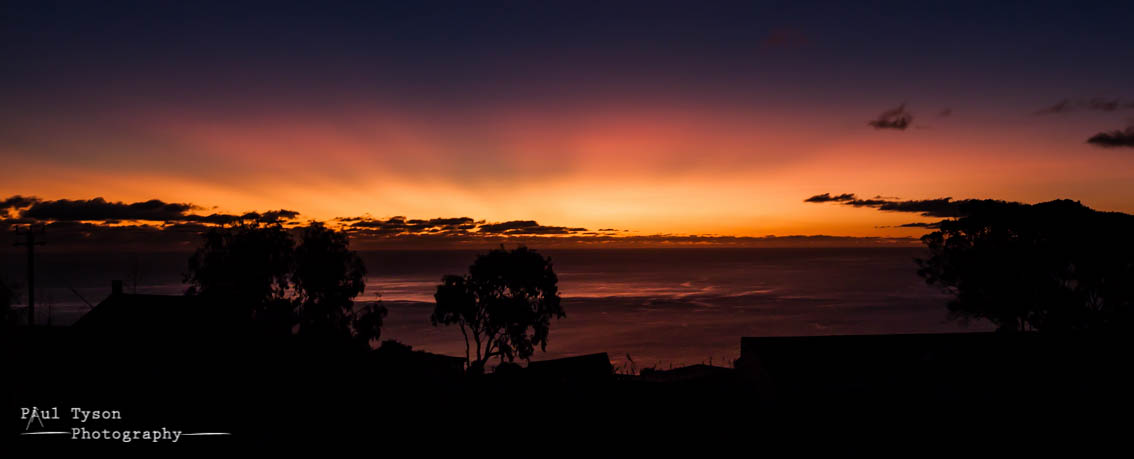
Whilst we are happy to be making friends of course, like everything there is always another side to things, and on St Helena, that other side is losing friends as they leave the Island. Many Saints leave their families and friends to find work or make a new life on Ascension, the Falklands or the UK, and of course families’ from the UK must leave as their contracts expire. It’s hard, and undoubtedly affects some Saints more than others. Some adapt well to the transitional way of life, others have admitted to me that they find it hard to let ex-pats into their lives, to make close friends in the knowledge that those friends will soon leave the Island. It is a sad story but is the way of life on this remote Island. Thankfully we are being welcomed in, and not just in the day to day friendly and welcoming nature of Saints, but something more real, we are making genuine friends and I’m sure now that what is starting a first family meal together, or an evening drinks in the bar, will turn into friendships that will be very hard to leave behind. The weather has been wonderful the past few weeks, and despite taking a definite turn this week we have been treated to glorious sunshine and the most stunning breath-taking sunsets I have ever seen. Night after night oranges turn to red, and reds to purples and the dipping sun paints a masterpiece across the sky. The extended summer however has not been without its pitfalls as the Island is gripped in a serious water shortage. Threats of cutting water supplies off have been issued by Connect (local utilities) in an attempt to avoid the drought that hit the Island two years ago. Thank fully this week has seen a lot of rain and hopefully severe control measures should be avoided. The problem on St Helena is not one of lack of rain, but of poor distribution, poor storage and most of all a lack of ability to capture and retain the water that falls. If successful a capital project should improve this situation, and it is imperative it is solved before the first flights arrive next year.
On the subject of flights we were lucky enough to have a private, guided tour of the airport site by Basil Reads quality assurance manager. It was a real privilege and the work that has been carried is phenomenal. The whole idea of an airport is controversial, and although a referendum voted in favour of its construction it is still met with great scepticism and fear, only natural for a people who have been isolated from the world for so many generations. But whatever people views on the value of an airport, it is undeniable the fantastic job that is being done. Let me paint a picture of the enormity the project.
Build and airport on St Helena they say. Ok but where, there is no flat land where will the runway go? Over here, this valley will do, we could fill it in and make some flat land.
Ok, where will we get the rock to fill in this valley? Over there, those hills, we will flatten them and use that for the rock. The land will also provide the space for the accessory buildings. Right, but if we fill in this valley, where will the water go from the stream? No problem cut a new valley over there and divert the stream.
Great, but, what about all the machinery and equipment we will need, St Helena doesn’t have a dock, no ship is able to land here? So build a new dock of course, simple. We will build a temporary one at first so we can start construction, then we will replace it with a new permanent wharf so that container ships can still bring goods to the Island.
Ok, that’s all well and good, but your dock is five miles from the airport, how will our trucks get from the wharf to the airport? Come one, that won’t stop us, we will build a new road, up that huge steep sided valley wall over there.
One last thing, the airport will need fuel? Ok, so we’ll install a new bulk fuel installation that will supply the airport and rest of the Island’s needs.
And that is what they have done, nearly! It’s highly impressive and it was real privilege to see all this close up and personal.
To me, the uneducated, Basil Read have done and continue to do a fantastic job, considerate of the local environment, the Island and its people and working on time and as far as I know, on budget. So it is with the thought of the airport that I leave you. What will it bring to the Island? Prosperity maybe, change definitely. Will it be a good thing, I honestly don’t know, I do know that as thoughts turn to our midterm break and our next voyage on the RMS St Helena, that I am sad that our eventual end to the adventure will be on a plane, and not, after two years being intimately connected to sea, on board a ship.
Milky Way
Well, first I must apologise that I have not had the opportunity to add an entry for a couple of weeks, and second, I must apologise that I still haven’t got time to update you all now. I have in short been extremely busy working, taking photos and working on some new graphic design projects.
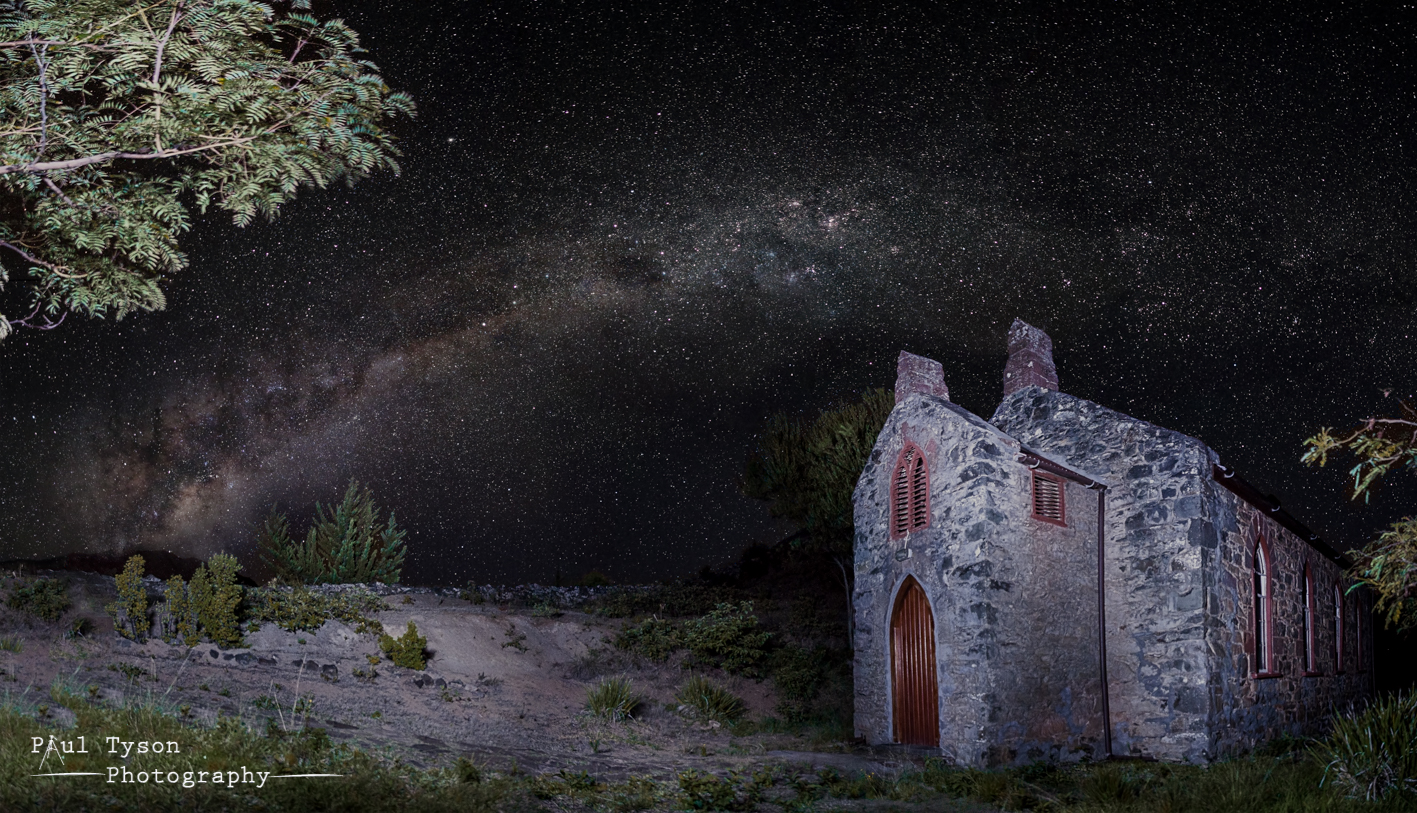
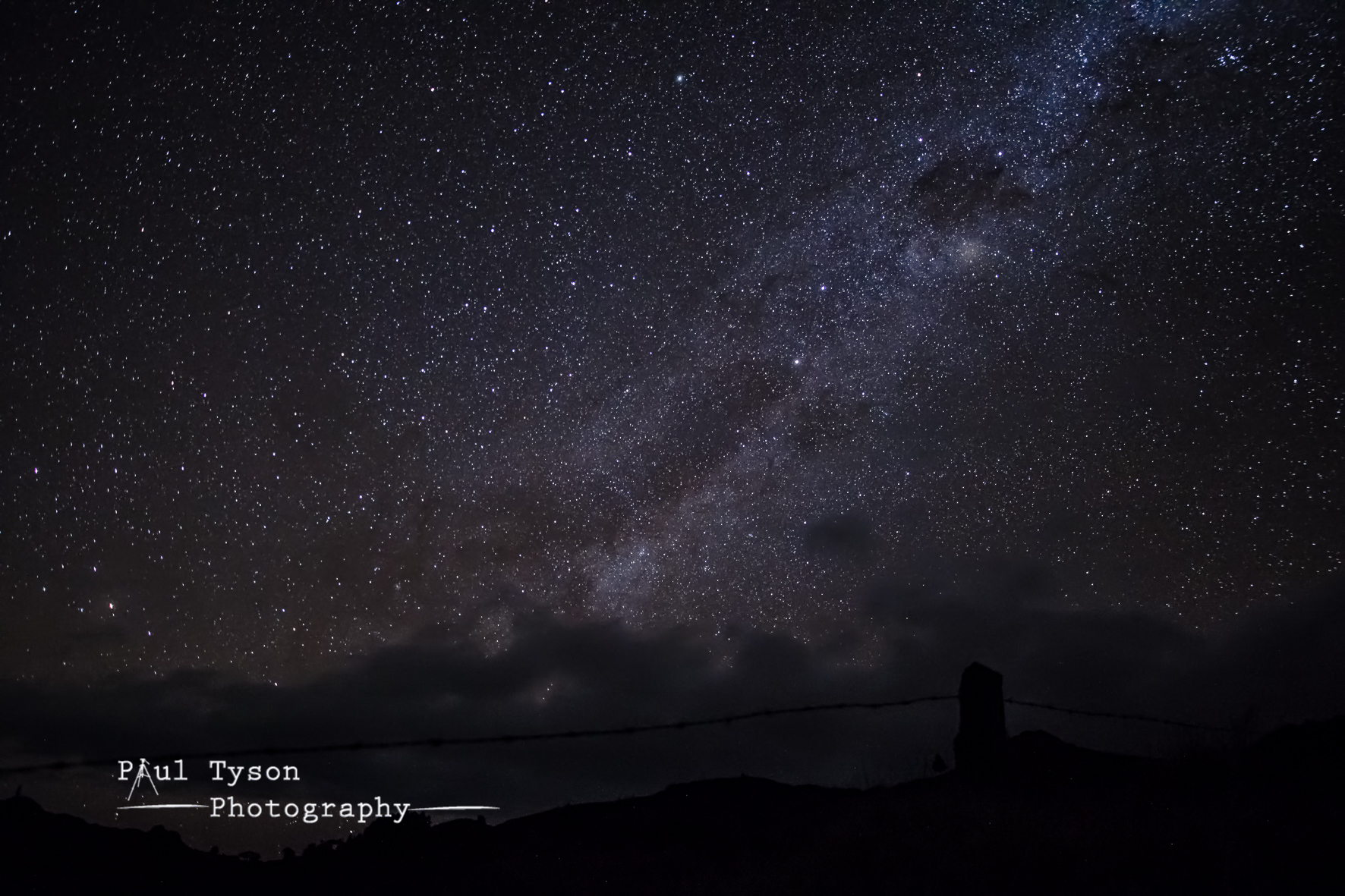
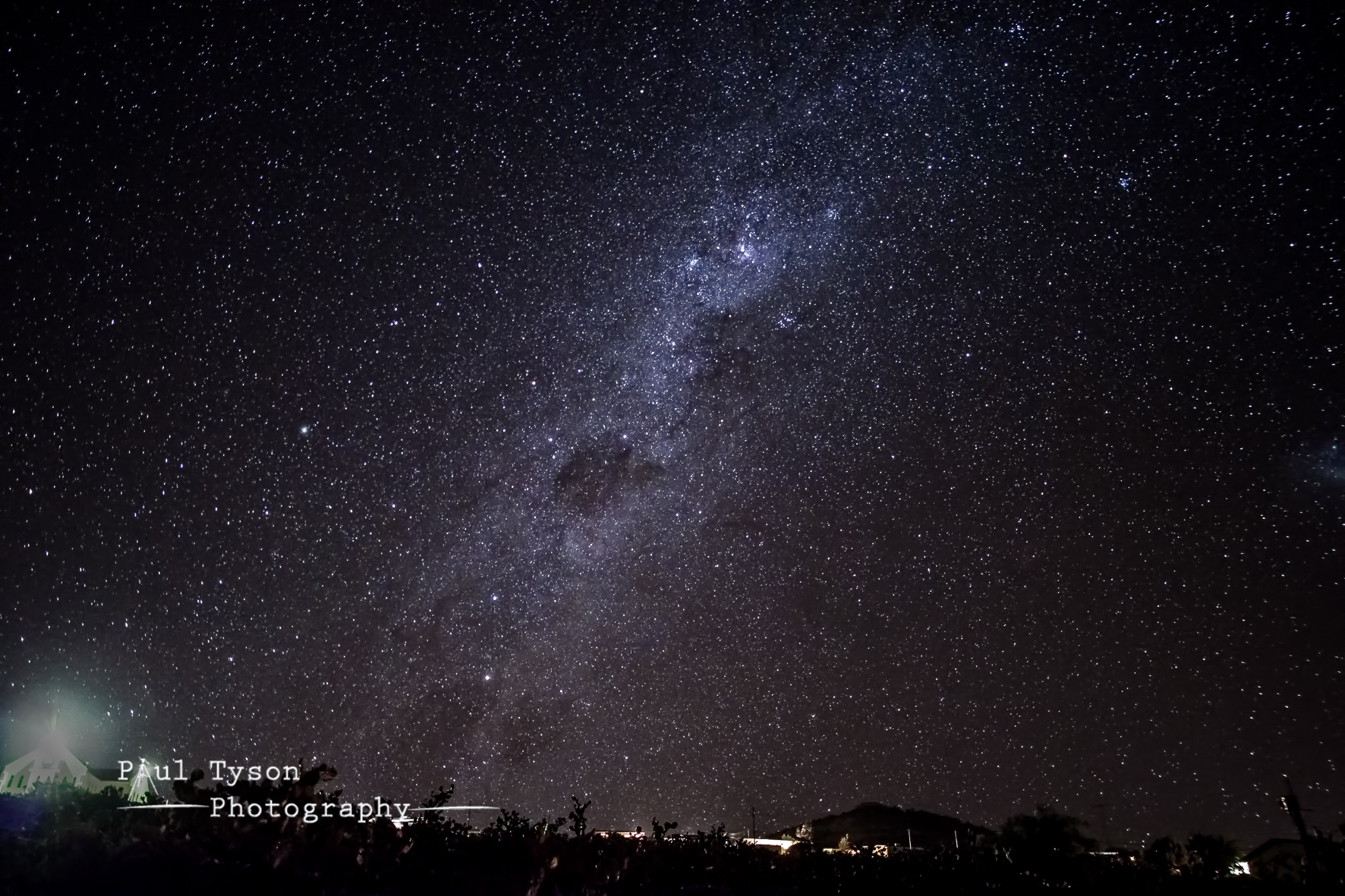
But just to keep everyone interested I did manage to go out and take some of my most successful night time imagery yet, here are the results.

Church at Sandy Bay. This image is the result of 12 photos stitched together. The foreground is illuminated using a technique called light painting, whereby a torch is used to gently light the subject during a long exposure.
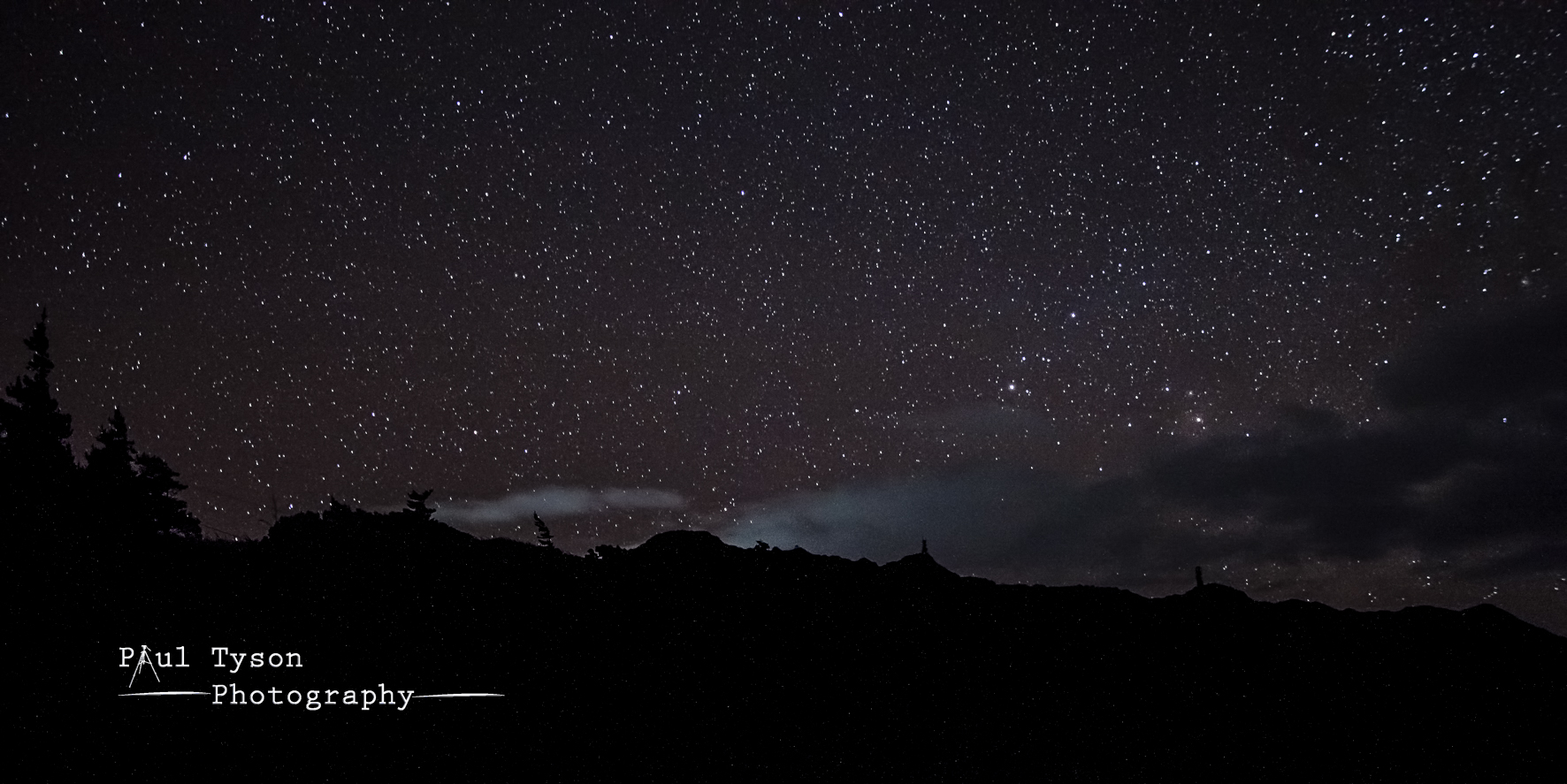
The night skies the past two weeks have been breathtaking. For the shot below I left home around 10.30pm and drove to Sandy Bay. I knew it would be magical as I drove down the narrow steep rode that leads to the bay. The smell of flowers were heavy on the air. Leaving the car I walked, in absolute darkness down to the bay. Above me, a million billion stars in an endless sky, the milky way clearly visible stretching across the sky and marking the entrance to the bay. I lay motionless, listening to the sound of the waves, and frogs ribbiting in the back ground. The air was still, not the slightest breeze. I was alone, on planet earth, but one could not help thinking something, or someone else must be out there in the countless planets that surround us. It was magical.

This complicated photo involved a lot of work and is by no means perfect. The foreground requires a lot of light to be cast on it, so during a 20 second exposure, two, off camera flashes are fired twice each to throw some light on the foreground and distant rocks. Second exposures are then used to capture the sky. Finally a third set of images were needed to get the very nearby rocks in focus against the distant stars. All in, 22 photos are then layered and stitched into this large panorama.
Jamestown
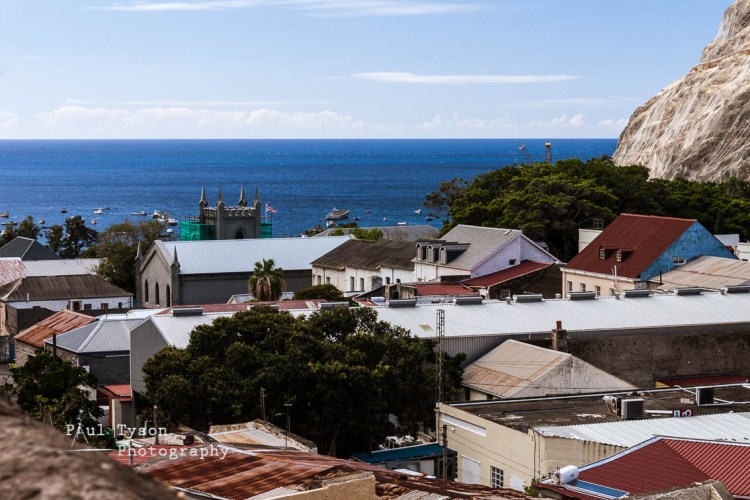
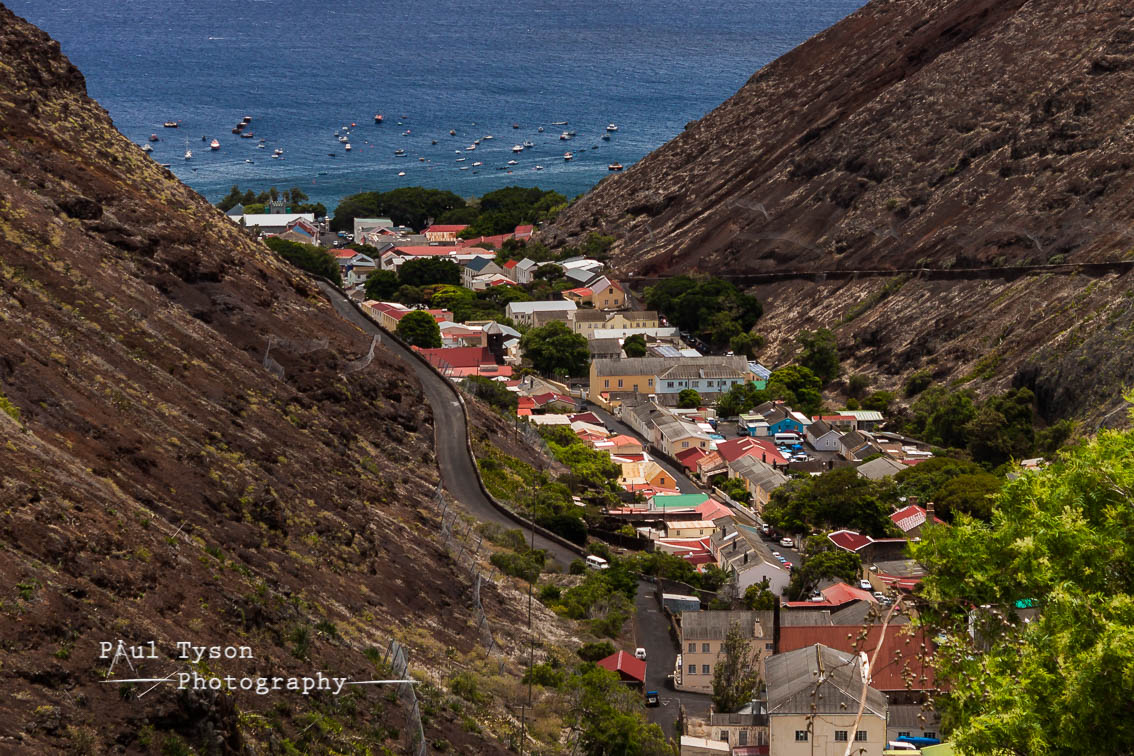
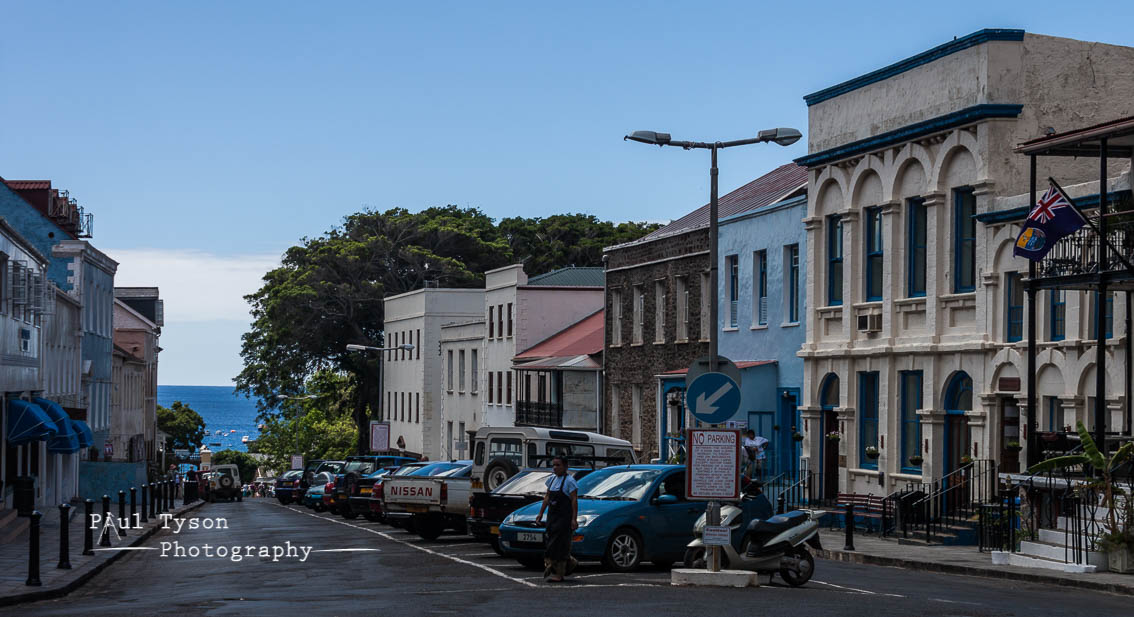
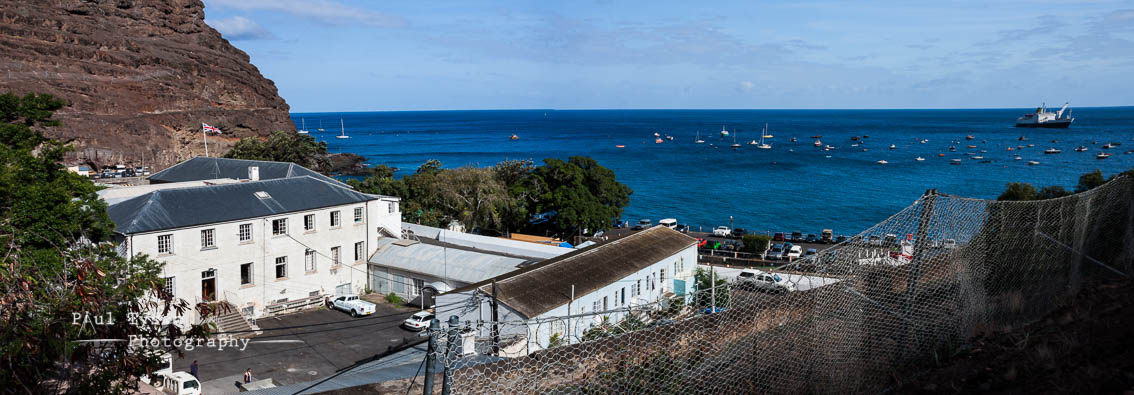
The capital of St Helena, home of government, banking, retail, and a bustling metropolis, relatively speaking. Like all major capitals Jamestown is a congested, convoluted, disorganised and densely populated sort of place. Snaking up a narrow strip at the base of a steep sided valley, the buildings push and shove each other for space, leaning on one another and spill out onto the divergent estuary of roads which split from the main road at the top of the town into several smaller tributaries as the tarmac flows towards the sea.
Jamestown is hot, dusty and dry most of the year, it has a distinctly topical climate and is the one part of the Island that truly betrays the Tropical latitude, sat as we are at 15.95 degrees South. The volcanic valley walls rise high and steep, rock falls were a constant danger and hence wire mesh and strategic fences scar across the valley sides. St Helena is a particularly unstable place in general, hard igneous rock sandwiched by soft pyroclastic muds and sands do not make for firm foundations and the Island as a whole has been pretty much on a steady slide into the sea ever since its creation some fourteen million years ago.
At the top of the Valley sits St Helena’s Hospital, a lovely looking building, surrounded by tropical flowers and a pleasant atmosphere. Moving down the road the sapphire blue Sea at the foot of the Valley dominates the eye line, as Mediterranean looking buildings line the road, the odd shop and a fridge repair centre start to reveal the commercial nature of the town.
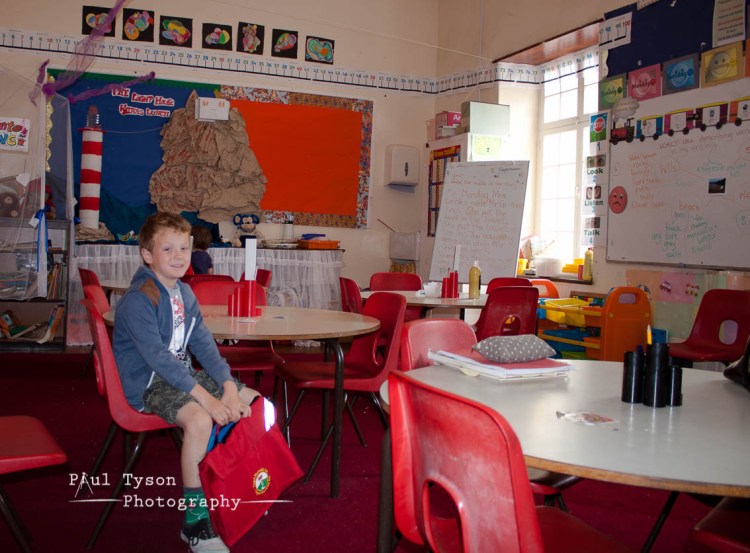
Barrack square arrives on the right, the first sense of the history of the town, being once a home for Island Soldiers, and now for Island residents. Further down the road Pilling Primary school, also a former Barracks, is the daytime home for Oliver and Charlie. A delightful building, which seems very much a military design on the outside, but very much a school as you pass through the old wooden doors.
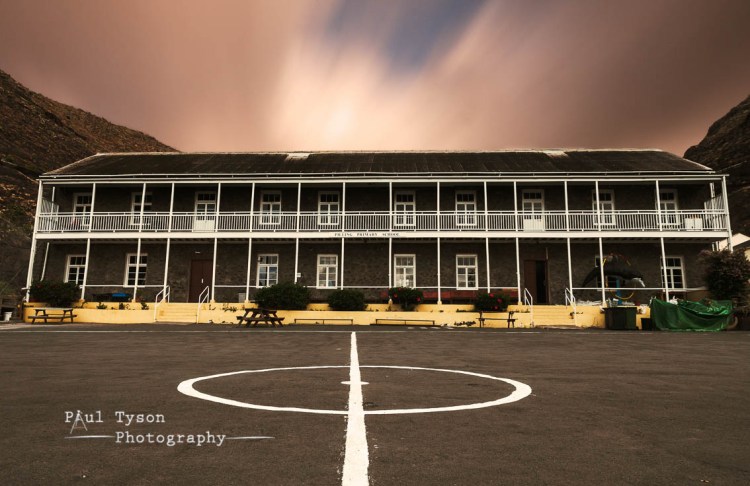
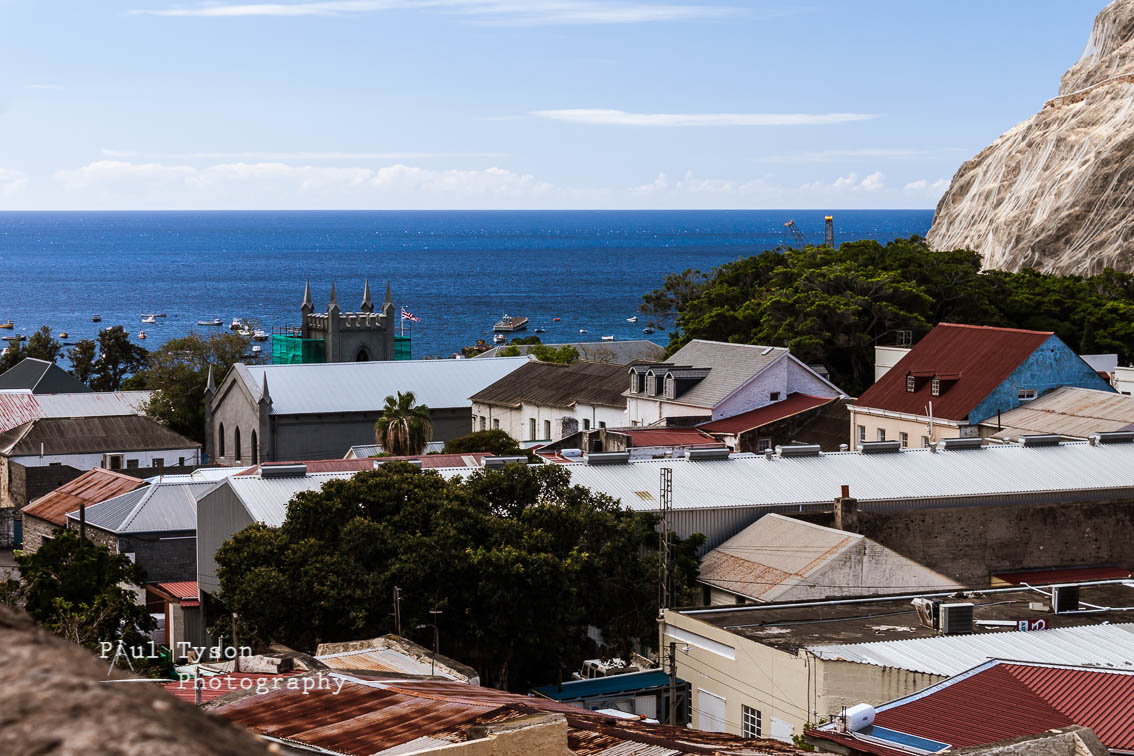
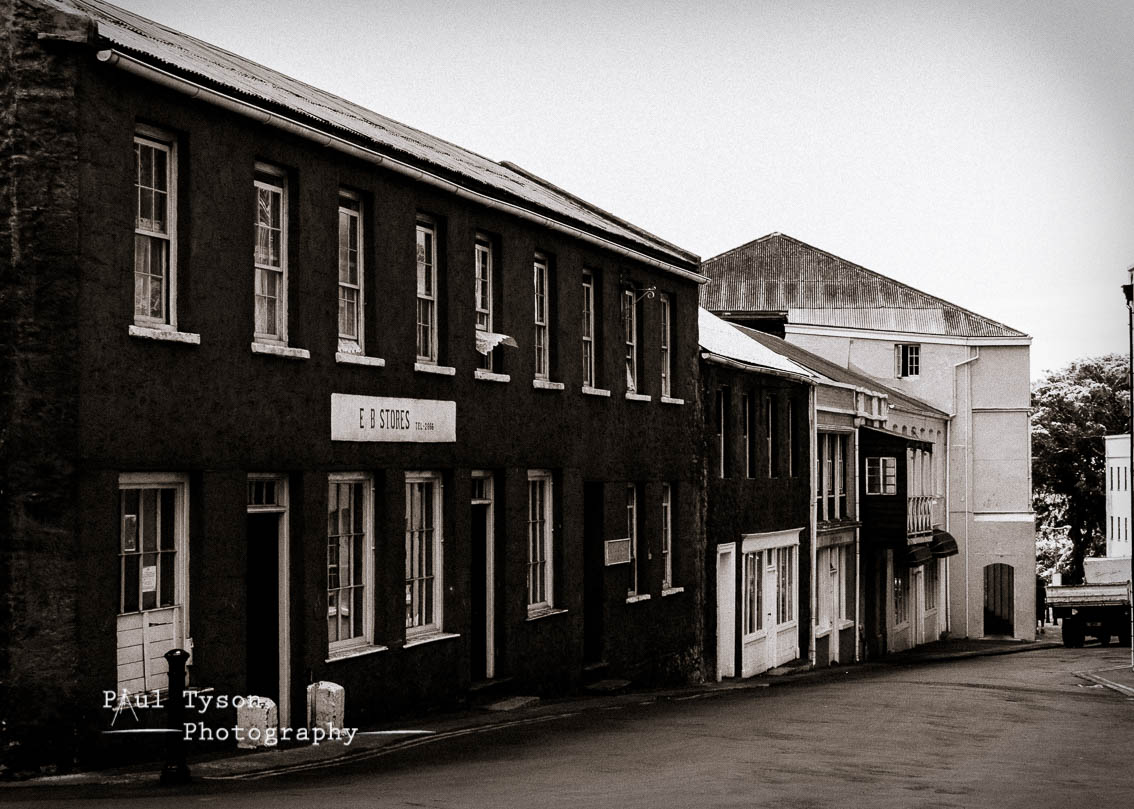
Founded in 1659 by The East India Trading Company, Jamestown, named after King James II is full of history, the buildings vary in style, age and condition, but all in Jamestown are old, and most well over one hundred years in age. Most are built out of volcanic rock and many are of World importance as examples of Georgian Colonial Architecture.
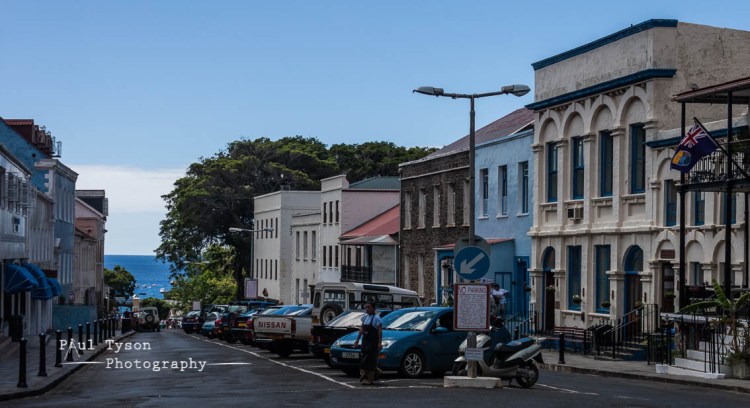
Moving down the aptly named Market Street and the hustle and bustle of the Islands only real shopping district (that consists of more than two shops together) becomes evident. Thorpes Grocery store, one of the oldest and most established retailers on the Island, sit alongside The Queen Mary and Queen Victoria Stores, one a former pub, the other once a cinema. Tinkers provides sliced cold meets and across the way the Hive, selling a variety of goods from Diving regulators to chocolate willies with some stationary in between.
We now approach the bridge, not obvious but in fact, an actual bridge as the Jamestown “Run” flows beneath the road here. The Run is a small stream running the length of Jamestown that was constructed to bring freshwater to the residents, and after serious flooding was widened in an attempt to provide an efficient run off for heavy rains. The bridge does not appear to be a bridge, and is instead a wide square section of road, bordered by the market selling fresh fish and veg daily, and meats on Thursday mornings, and by the towns main Pubs, the Standard and the White Horse. Jamestown apparently (so I’m told) once had more pubs and houses of Ill repute per capita than anywhere else on earth, but (sadly) only these two remain. Very traditional, one can imagine sitting here a hundred and fifty years ago mulling over the failings of the Governor, taxation, British rule or the price of beer just as today.
Around the corner Market street meets Napoleon Street, which has wound its way down the west side of the valley and
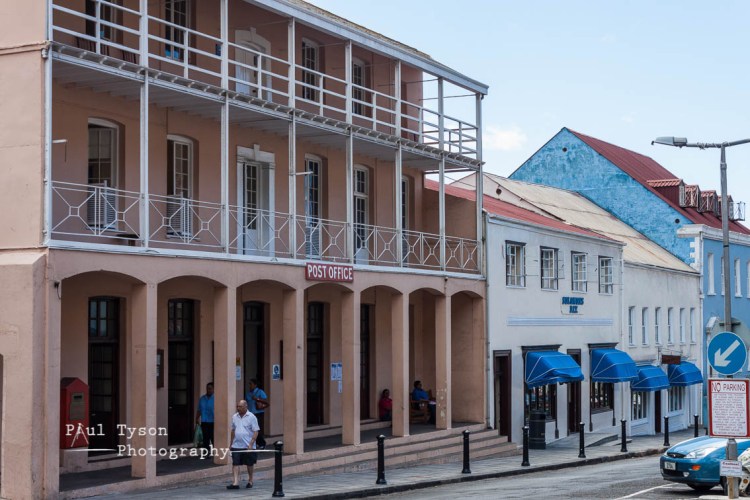
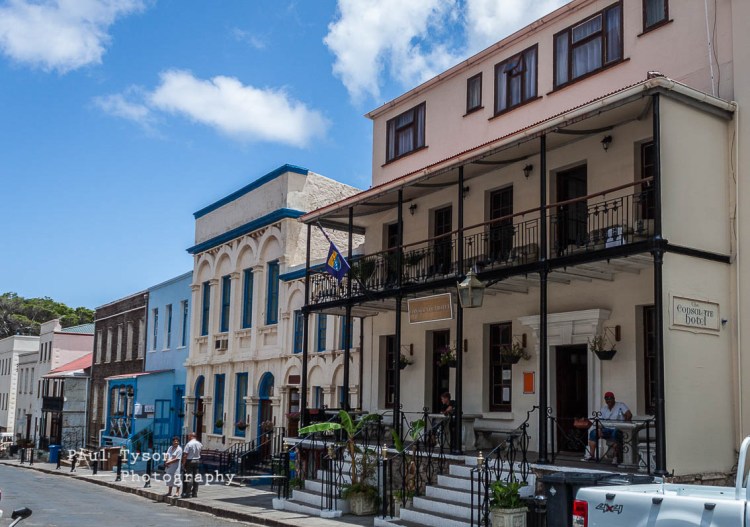
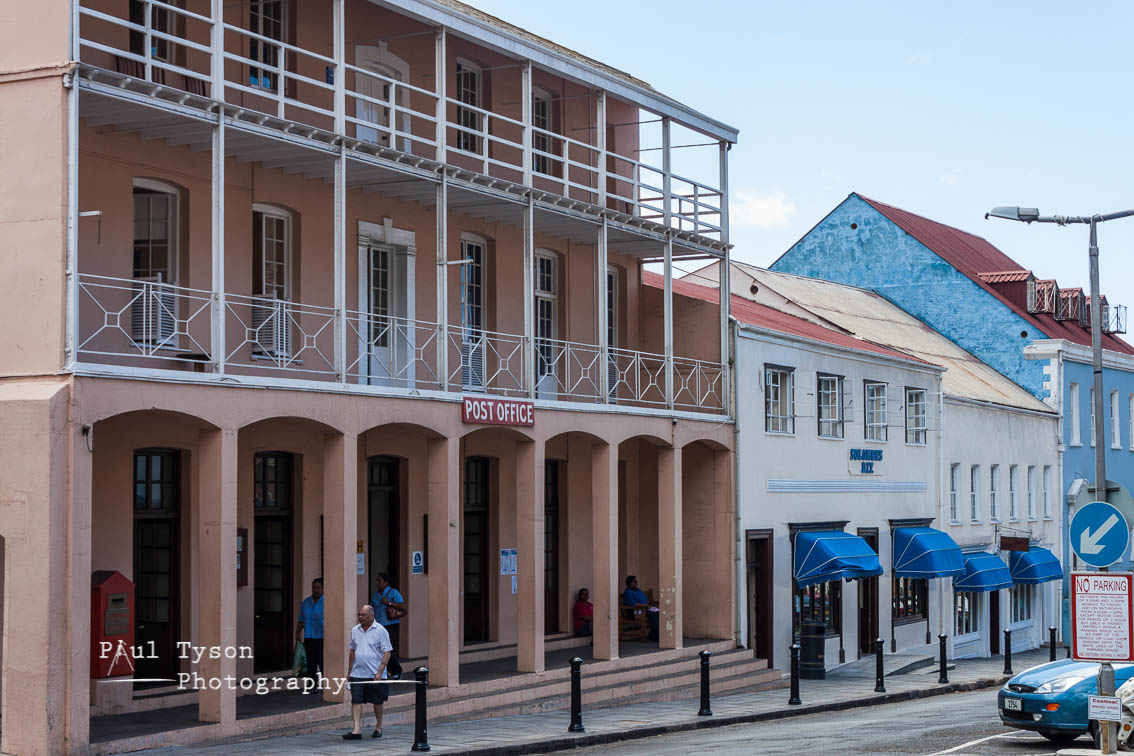
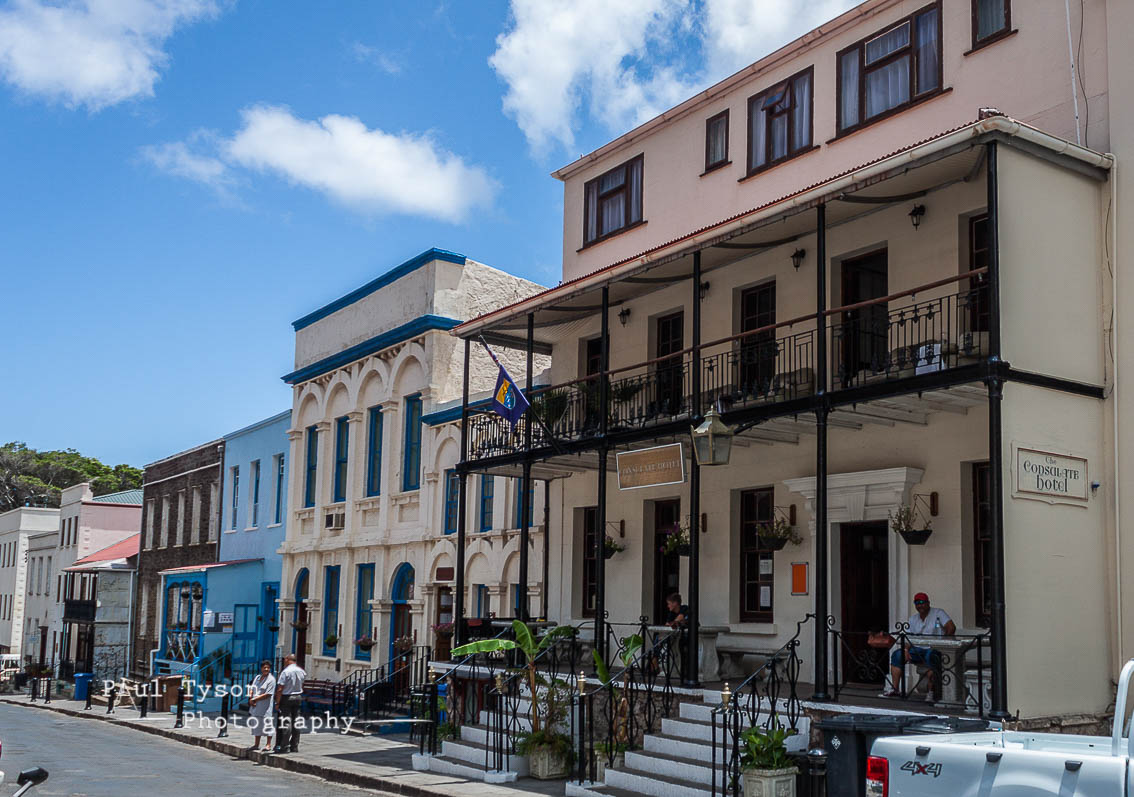
ultimately leads to Longwood and the Briars, no doubt Napoleon was led to his temporary home in the Briars up this road when he first arrived, just as many visitors do now. Where Napoleon and Market Streets merge, they become Main Street, a wide concourse and the very essence of Jamestown. The grand Consulate Hotel, like something dropped right out of Colonial times inside and out takes pride of place. On the left, the post office is a major hub of town. St Helena does not have a postal service, and as such mail must be collected from the post office, along with administration of almost all licenses and records on the Island, car taxation, and pensions and benefits the post office plays an essential role in everyday life on St Helena.
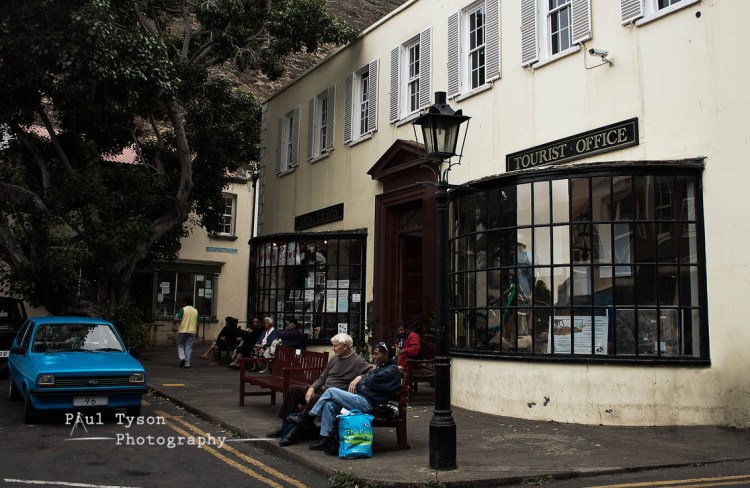
The Star is one of the main, and most modern grocery stores on the Island, and reminds me of the old Co-op local store in my home town. Mum you will remember it well, I used to sit outside with Shep whilst you proceeded to fill what seemed like in the region of 300 bags of shopping! It is owned by Solomons, a company which traces itself back to Saul Solomon who was put ashore in 1790, gravely ill, from a merchant ship on its way to India; he recovered, decided there was money to be made in St Helena, and persuaded his brothers Benjamin and Joseph to come from England to join him. He is also reputed to have tried to help Napoleon escape, which I guess would have been an opportunity to make serious money in St Helena. The shops are a small part of Solomons’ operations on the island which include banking, insurance, agent for the shipping line and, a lot of outsourced work from government.
Moving down the Main street it becomes wider still, 2 on Main currently houses one of the best restaurants on the Island, this training restaurant will soon make way for a brand new hotel, comprising this building and its appropriately named neighbours, 1 and 3 on Main. Next door sits Harris’s Guest House and nearby, the Wellington Guest House. As the street widens it becomes the parade, and the seat of St Helena Government, the Castle, sits alongside the road adjacent to the town walls.
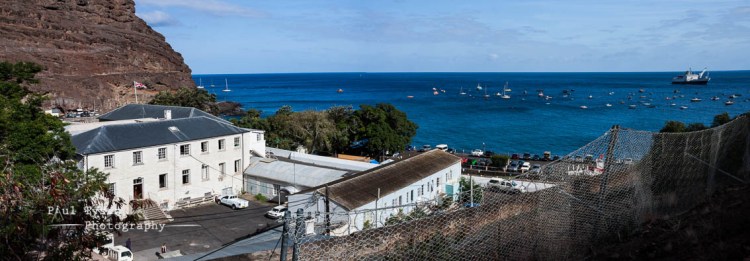
The Castle was originally, in 1860, a Wooden Fort, but was reconstructed in 1710 as the original construction had become rotten with termites. Part of this 1710 construction is still present, but numerous additions and alterations have been made since. Alongside the Castle sits the castle gardens, a small but perfectly formed park. The grounds man does a superb job ensuring a variety of colour and flowers year round, making the Gardens a lovely spot for lunch and to pass the time of day.
Jamestown ends or begins at the Castle Gates, an arch in the substantial Town Walls that once stood as a fortress to protect the town from invasion. St Helena is (or was) one of the most fortified places on Earth, and the remnants of the fortifications and Barracks can be seen everywhere. From the water front in Jamestown, one can see High Knoll Fort, Ladder Hill Fort, Mudens Battery, and a further two gun battery’s, as well as the numerous gun ports that line the Main Town walls themselves. The waterfront retains the historic feel that all of Jamestown does, a walk along the wharf revealing old warehouses and storage buildings. The wharf is now the main entrance and exit to the Island. When the RMS is in the bay, the Wharf busts into life as a frenzy of containers are loaded and unloaded, retailers and individuals excitedly collecting new goods, presents, and all manner of things.
Like much on St Helena the wharf runs on the Darwin Principle, that if you are stupid enough to stand under a 20 tonne container, it’s your own fault. Refreshingly and somewhat surprisingly for a UK resident one can walk amongst the cranes and containers, the fork lift trucks and good lorries. Funnily enough, no one dies, and it’s very refreshing to be treated as an adult in such matters. Not that everything on the Wharf makes sense. Understandably swimming from the wharf is restricted when the RMS is in the bay, but it is also restricted if some goods have been left in the loading area. But swimming is permissible when other boats and vessels are back and forth from the wharf, so long as no goods are resting on the concrete, I will never understand it, but do as Im told!
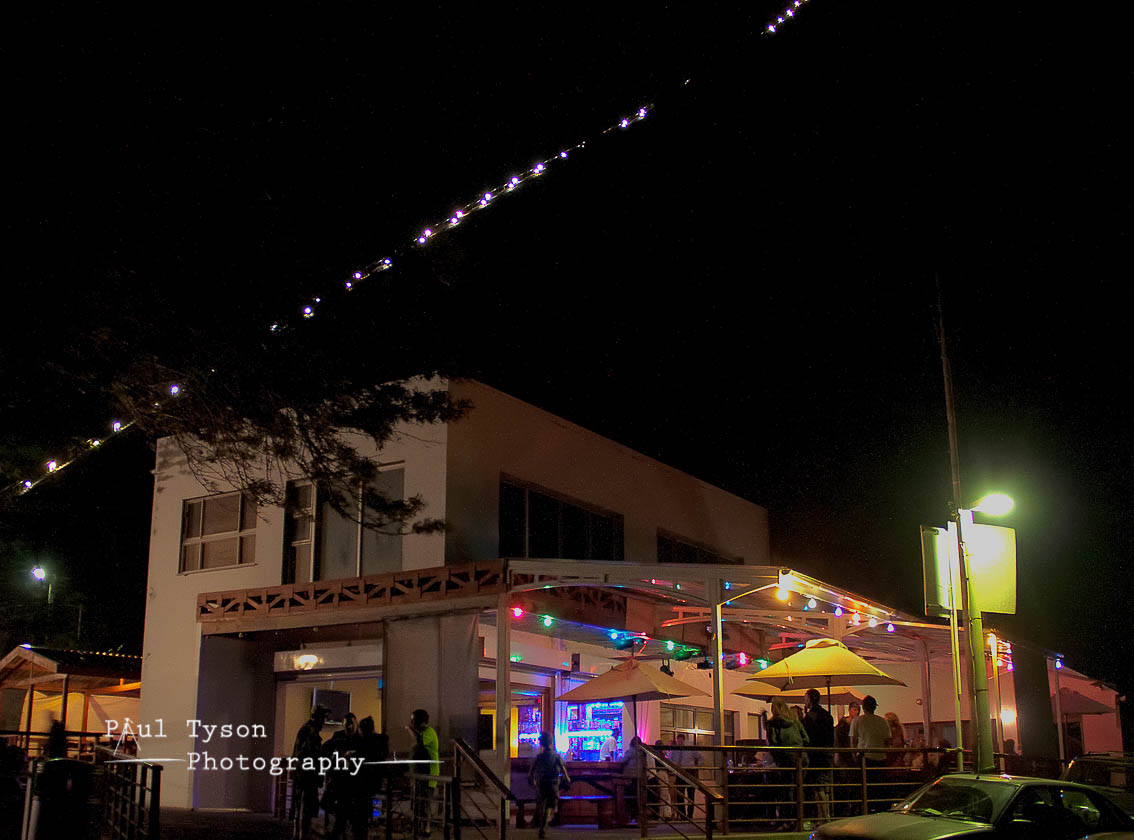
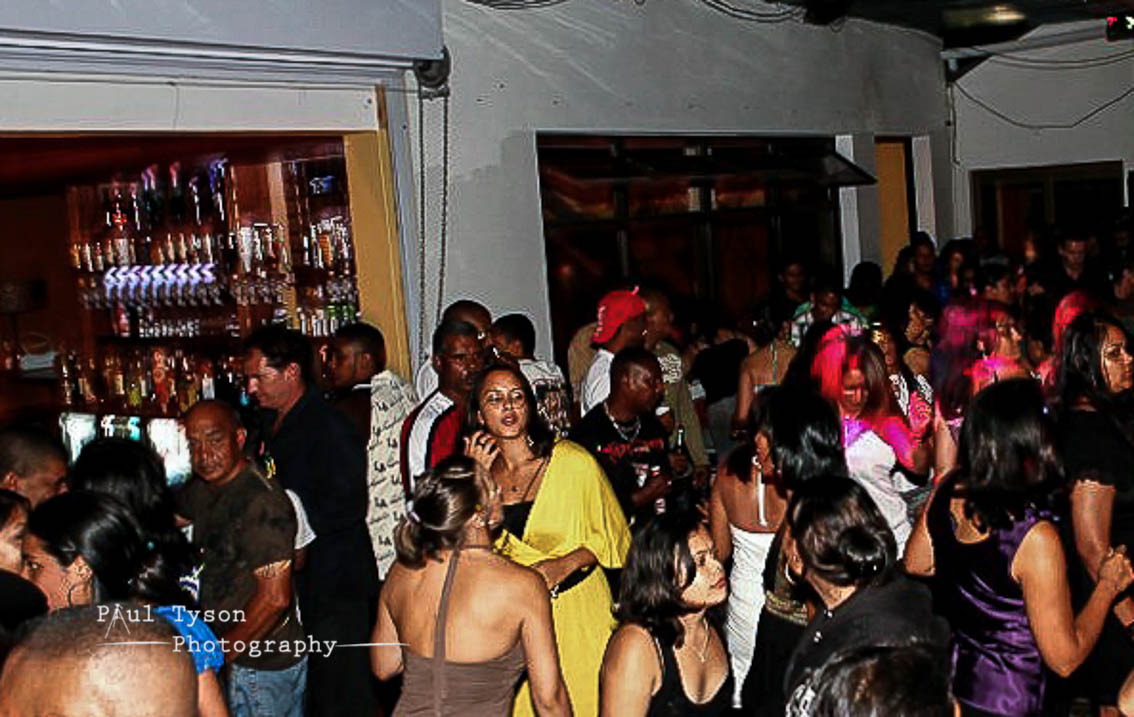
On a weekend evening the wharf and waterfront come to life. The Wharf becomes a magnet for young men and their cars, like something out of Fast and Furious (old people may need to look that one up!) all manner of supped up cars with large noisy exhausts and lights in strange places pump music out whilst their owners gather to discuss the latest in sub woofers (or something like that). Meanwhile, families have a rare treat and fill up the two waterfront bars, Donny’s and the Mule Yard, enjoying a drink from the bar and food from the local take aways whilst watching the sunset, knowing children are safe to play nearby. As early evening turns to late evening the families go home and the towns beautiful people (well, most of them) take over, music drink and dancing in the warm tropical air tale over until the early hours.
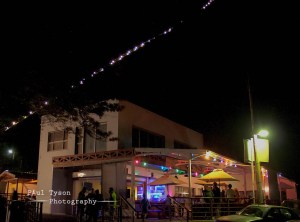
Jamestown is hot and dry, its overcrowded and parking is a night mare, but it is also fascinating, bustling, full of history and atmosphere and its people are wonderful I love it.
Easter, Awesome and Loss
So its been a bit of a while once again since my last update, seems that my life continues to be rather hectic, and whilst we have settled into our new home and many of the Island ways, taking it easy and living life at a more relaxed pace does not seem to be one of them. It’s a shame in some ways, but St Helena is just so full of fantastic things to see and do, and is such a social place that there is always something you wish to be doing, or getting involved with.
I go back now to Easter, which makes me realise just how long it has been since I last wrote. Easter on St Helena is exactly what it should be. One shop in town that I know of was selling Easter Eggs, a refreshing change from the marketing bombardment that occurs in the UK in the lead up to any public holiday. Like many things in the Western world, Easter has become about the most chocolate, the largest egg, and generally how much money can be put into the pockets of Nestle and Cadbury, the meaning of Easter has largely been lost.
Of course the true meaning of Easter is religious, and most of you will know I am not a religious person, quite the opposite. St Helena however is a very religious place and as such Easter is in general held in high regard, carrying a special meaning to many of the people here. But what was most pleasing about Easter on St Helena is the sense of family, the sense of holiday. It is the one weekend a year where literally everything stops, no work, no shops, no diving, the Island shuts down so that families can spend time together, it is wonderful. Many Saints on the Island take the opportunity to go camping, but this is not camping UK style, people camp in large extended family groups, taking with them all manner of home comforts, and providing opportunities for siblings and cousins to run and play, for families to catch up and spend quality time with each other. Of course, some traditions from the UK can be recognised, that of camping in the rain, and it seems to be well known that, largely due to all the camping, Easter weekend will bring with it buckets of rain!!
And so it was with buckets of rain that our own Easter began, and organised walk cancelled five minutes in as the heavens opened and soaked everyone down to their underwear within moments. A hasty retreat to a friend’s house and a change of clothes actually led to a lovely few hours drinking tea and chatting away whilst the boys played, rather surprisingly with a tea set! Spending quality time with friends became the main focus of the weekend. A dinner hosted by ourselves and some fairly damn impressive Chinese food served up by yours truly on the Sunday night and lunch with friends on Easter Monday.
On the work front I have completed one, and nearly completed a further two large projects I have been working on. The tourism website now boats up to date photos and information on all of the Islands accommodation and restaurants, the first of my big projects on Island, you can check out my work in the “Where to Eat” and “Where to Stay” sections of the website. It has been fantastic to visit these establishments, meet new people and find out about some of the positive tourism work being done here, as well as enjoying the odd freebie meal for my efforts, and of course being paid for my first major photography project.
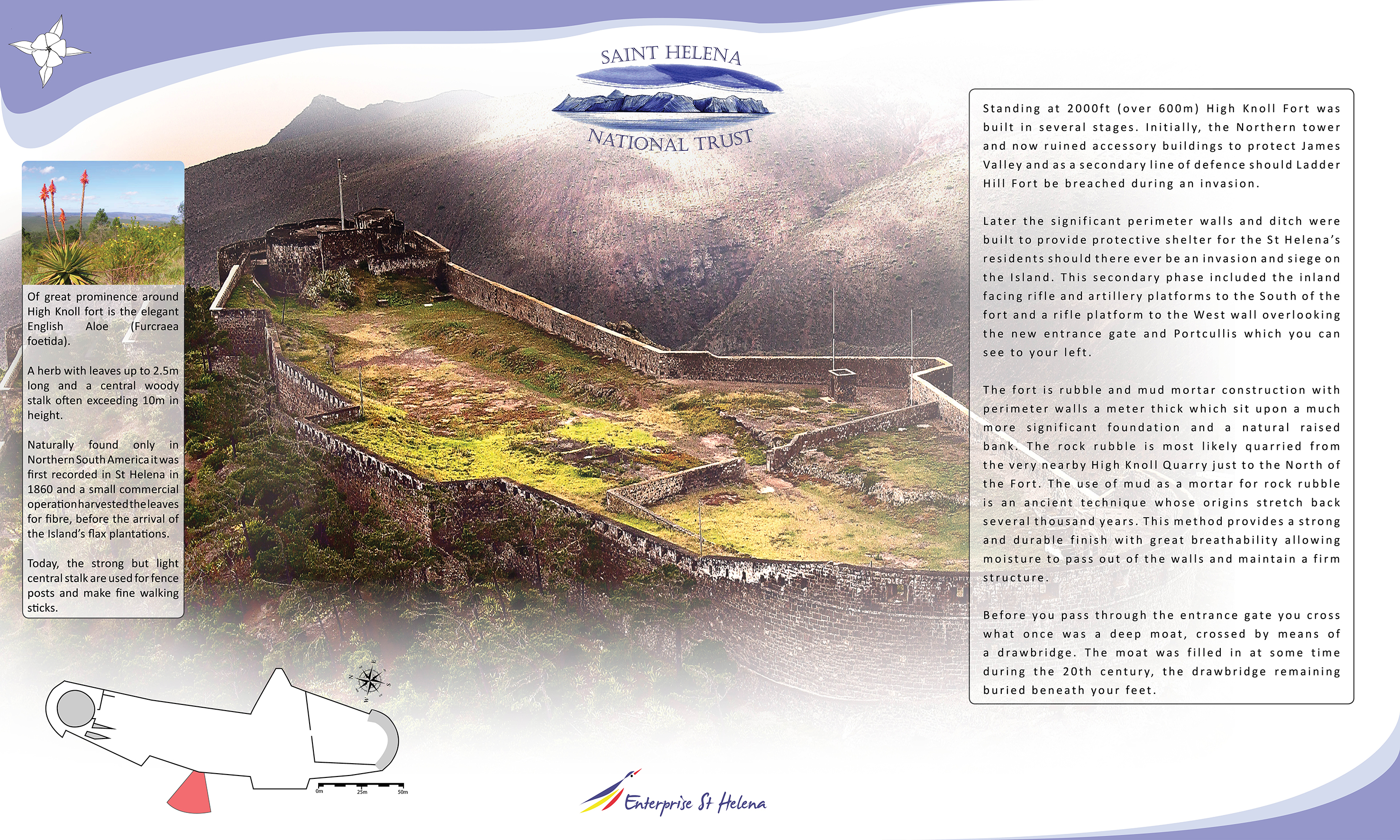
On behalf of the National Trust I have been producing interpretation to improve the visitor experience at High Knoll Fort, one of the Islands historic landscapes. As well as improvements to structural parts of the fort, visitors can now find out more about the fascinating history of this site and it feels wonderful that when I leave St Helena something of my work will remain.
The weekend after Easter saw another trip to Lemon Valley, far from becoming bored of visiting Lemon Valley, we had a fantastic time. Partly due to spending time with new friends and expanding our social circles but, in the main, due to the presence of two, brand new jet ski’s. I and the boys had a fantastic time shooting around the bay. Kyle, owner of one of the jet skis and myself managed to turn so tightly in the 1500cc jet ski that we flipped it right upside down. I also had my first ever go on a knee board, pulled behind the jet ski at ridiculous speeds I quickly got the hang of it and before long was riding the wake and performing full 360 degree spins. I was officially described as awesome by eleven year old Luis, who’s Dad owns the second of the jet ski’s.
My Monday night dive was one of my best yet as I spent moments with a Devil Ray. Commonly thought of by divers on the Island as one of the most wonderful encounters, Bev and I have been longing to see one and although we had a brief encounter whilst snorkelling (at Lemon Valley) this was my first real encounter with one. Whilst it was only a short encounter it will leave a lasting impression. Filing with the go pro and some shoals of fish, I spotted our dive leader Anthony frantically pointing at something, as I turned round this large dark diamond loomed into view. Gracefully, and with slow motion movements this 6ft goliath swam casually past us, its Ramora companions in two. Often Devil rays will spend time with groups of divers, seemingly as curious about them as the divers are in return, but for sadly our devil ray had no such intentions and despite giving chase I could not keep up and he disappeared into the blue as quickly as he had appeared. As we surfaced some time later we emerged to the most fantastic sunset, and spectacular end to a fantastic dive.
Late in the season we have also experienced some of the clearest night skies and amazing views of the stars I have ever witnessed, or am ever likely to witness. A night time drive further inland and away from the lights of Jamestown was nothing short of breath-taking. The milky way could be seen in all its glory, and small swirls of bright cloud marked distant galaxies. The stars have been bright before but this was simply amazing. It has also increased my excitement at my latest purchase, a new Full Frame, semi-professional Canon EOS6d. Like everything brought to St Helena there is a wait, and it is another three or so weeks until my shiny new camera arrives. Seeing these night skies has made the wait seem even longer!
This past few weeks has been some of the best we have had on St Helena, full of fun and laughter, but I also experienced one of my hardest times. I have debated whether to include this in my blog, after all some experiences I believe should be kept private, but as a reflection of our time here, and a memoire of our experience and memories then I believe I should reflect on all of our times here, both good and bad. My Nan unfortunately passed away last week. She had been ill and in hospital for some time and we knew the inevitable would happen soon. It has been incredibly difficult being away from home, unable to help support my Mum, unable to provide some happiness in the final weeks of my Nan’s life. The news of her passing was upsetting, but nothing had actually changed for me and the news did not immediately affect me greatly. But Thursday was the day of her funeral, as I sat at the table working on yet more photos I looked at the time and realised the service was going ahead as I sat there. Alone, To try and make myself feel connected to the service some 4000 miles away, I listen to the music that was to be played at church, this was a mistake and was quickly followed by a release of emotion and grief.
I am ok now, I needed to feel something, to feel her passing, and sat at that table I cannot think of a time I have felt more alone. But before long the boys were home from school to annoy me, and the normal evening chores ensued. When I said good bye to my Nan eight months ago, I never expected that would be a good bye for good. Being on St Helena is wonderful, we are extremely privileged to be here and experience this, but it comes at a cost, and being so far from family and close friends is one of those costs.
Back to all things awesome, and my fridge is now stocked with a small bag of chocolate, not just any old chocolate mind, but handmade Belgium chocolate made by a master chocolatier. Sarah Jane Sharman, a biologist and local fungus expert amongst other things, ran her own business in the UK making fine chocolates after years of professional training. She has thankfully now started to make chocolates on Island and they are divine. Good chocolate is a rare thing on St Helena, it doesn’t last the journey well as the milks and solids separate due to the fluctuating temperatures in the containers. As I bit into a perfectly made dark chocolate truffle I even made a little noise of delight. I sincerely hope that Sarah keeps this up; I have become her biggest fan.
Politics tends to dominate the news in St Helena, a delicate and complex situation dictates that it is always up for discussion. But a recent big story has shown the best and worst of St Helena in one go. In the past few months, an entrepreneurial partnership has opened up a mobile bar and grill, named Amphibians, serving the hospital staff during the day, and providing a wonderful waterfront open bar in the evenings. There are however a small minority of Saints, who are resentful of people, ex-pat or otherwise, making something of themselves. I don’t believe I am out of place saying that, as it is through Saints that I have discovered this. It is against this backdrop that the mobile bar was apparently set on fire whilst in storage, destroying most of the bar and equipment in what is believed to be a deliberate act of arson. Fortunately this is where the bad news ends. Having lost almost everything on the Tuesday, thanks to the goodwill and help of the community they were ready and open for business by Thursday evening. People rallied round to donate fridges and repair the trailer and woodwork. The nurses and hospital staff, who appreciate their doorstep lunch service made a collection and raised £200 to help purchase new equipment. From terrible news came great community spirit as messages of good will and offers of help came flying in. Far from damaging the business, the perpetrators have only served to enhance the standing and reputation of Amphibians, and presented an opportunity to show the community spirit and all that is good and great about this small Island.
We have reached eight months in into our adventure, in three we will be returning to the UK for our mid-term break. It feels strange even saying that, time has truly flown. But for now we will continue to concentrate on all that St Helena has to offer, diving, snorkelling, nature and above all people, really wonderful people, Saint, Ex-pat, South African, black and white all wonderful in this awesome little melting pot of people in the South Atlantic Ocean.
Just before I leave, I was thrilled to read this week’s Sentinal, and a letter from Jan Schou and Vibeke Amelung in Denmark who have been following my blog. Thank you so much, it really is wonderful to know people are still enjoying my ramblings.
An Easy Entry
An easy entry for me today, I’m simply going to copy and paste someone else work, not plagiarism but with permission from Ceri Sansom. Ceri works for the Environmental Management Division here on St Helena, her husband Ben heads up the division and the team who are helping to restore the fragile habitats of which I spoke about last time. Her very well written account of the challenges they face compliments my last blog entry perfectly. Here I am enjoying the fruits of the work of people like those who work at EMD and here Ceri is explaining the difficulties in restoring somewhere like the Diana’s Peak national park. Please read on, and take a look at Ceri’s Page, its well worth a visit.
And thank you Ceri for allowing me to use your blog.
St Helena’s terrestrial conservation is a story that cuts both ways. It is a story with successes. It is also a story of monumental failure. It depends, to some extent, where you start your timeline.
When the Portuguese stumbled across the island in 1502 it was a unique biosphere; an extraordinary natural treasure. Not that the sailors would have seen it in that light. To them it was land, food, water and a means to extend their domain. So, how to improve it? Add meat (goats) and maybe a few citrus trees and all of a sudden it has become a stepping stone into the ocean and beyond.
Within a few short decades the introduced animal life ate its way through the verdant forests. Humanity worked through a good chunk of the rest for buildings, boat mending and fuel. Who knows how many species and fragile microcosms were lost. In Napoleon’s time there was still a Great Wood at Longwood, but goats and rabbits and man stripped the land, until there were just a few cliffs or high areas that escaped the devastation. With the vegetation went the accumulated soils and the treasures within. Reports of vast volumes of soils being washed from the rocks that lie comfortably at a 35degree angle corroborate the idea that this island is now only 20% of its size only a few, short million years ago. The soils and rocks continue to slide away particularly in scruffy August when the sea becomes cloudy with sediment and it is rockfall season.
Twenty years ago, in 1980 Dr Quentin Cronk, from Cambridge University, spent a few short weeks on the island. He met with George Benjamin, a Saint searching the landscape for lost species. It was a partnership that marked the start of the terrestrial conservation on St Helena that we know it today. Having a passion for rediscovery George had already found the lost St Helena olive (now extinct). During Quentin’s short time here they walked many of the remotest areas of the island scouring cliffs and inaccessible tracts for endemic plants. With George’s extraordinary eyesight he spotted a specimen of St Helena Ebony clinging a tens of metres down an inaccessible cliff below the Asses Ears. George’s brother, Charlie, a fisherman and therefore climber (you have to be good on these cliff tracks with a sack of fish on your back), was sent down on the end of a rope to retrieve cuttings which he bought back up between his teeth. These were duly taken back to Royal Botanic Gardens Kew for formal identification and fortuitously the cuttings rooted on the RMS so not only was there a herbarium sample but live specimens too.
This was the start of a building interest in clawing back the remnants of St Helena’s endemic plants. It has been a long haul with successes and failures.
In the intervening years many others, including Stedson Stroud, have joined the hunt and and found a Bastard Gumwood, a few St Helena boxwoods and the finding of a ‘lost’ group of St Helena tea plants. In the Scotland nursery Vanessa Thomas has bought her breadth of experience from old time Saints and Kew horticultural techniques to bear. Many other ecologists have bought their expertise to the island to catalogue and take the early steps in understanding how the habitats might work – not just for plants but invertebrate life too. EMD, St Helena National Trust and the St Helena Conservation Group all contribute to the effort. Serious efforts have been made to squirrel away seed collections for storage and to create living collections on island. But all is not rosy. There are significant hurdles that are only on the periphery of research, let alone action.
The problem with finding ‘the last one’ of anything is that the genetic variation is tiny and unrepresentative, and this makes the offspring inbred and weak. For example, take the Irish potato famine. That was (at least in part) down to the lack of genetic diversity in the potato so the entire harvest failed as a result of a particular fungal attack, resulting in the starvation of a nation. The same is true of any single plant. Often they are hard to breed from and the offspring are uncommonly fragile and vulnerable. This is a problem facing many of the endemics here. The population sizes have dwindled and although now bulked up and apparently healthy, the population will be less resilient than a more diverse collection. It is an issue that will continue to be felt, particularly with the advent of climate change and reduced habitat imposing more challenging conditions on the plants.
Another, seemingly more subtle, problem is that of lack of fungi in the soil. Many plants rely on fungal association (so fungi and plant roots grow in alliance to the benefit of both) to allow them to extract the nutrition from soils. For some species it is absolutely essential, for others it is the difference between spindly and robust growth. It is not a process that is widely understood, least of all on St Helena, although some root samples retrieved by Prof Cronk in years gone by would suggest that there may well be particular fungi that support particular plants. This is a problem. Firstly, because it means it is not possible to just pop plants in the soil and assume that that they will grow, as in most areas of re-colonisation the soil containing the necessary fungal spores has gone. Secondly, it means it is probably not possible to add some generalist fungi (if it were agreed with biosecurity) to the mix and hope more vigorous trees are produced. An example perhaps is that of the gumwood. These should be wonderfully open canopy gnarled daisy trees, and yet a noticeable proportion of the trees that have been carefully planted seem to get to a certain height and then stop. And then die. Because there are so many factors at play it is hard to identify what horticultural practices may entice these beautiful umbrella shaped trees back to their full habit, but depleted soils do not help.
When you present a case you should use no more than three points to make a case, or so I’ve been taught. So now I’m faced with a dilemma. I want to talk about the daily challenge of not allowing species to go extinct (St Helena Olive extinct, Bastard Gumwood last adult dead seeds in propagation, False Gumwood last specimen in the wild dead and a stiff fight for the large bellflower), fragmentation of habitats, increasing pressure from more types of invasives with consequent increase in labour intensive methods to preserve habitats, shrinking good quality habitats and the impact of short term project funding compromises conservation. They are all significant challenges and they all affect the resilience of habitats to climate change and water supply. But I have intruded on your time enough.
Prof Cronk has returned to St Helena, which I hope marks only the end of the beginning. He is delighted with the recolonization programmes, the opportunity to learn from them and although the Benjamin brothers are no longer here to share his enthusiasm, it builds on their extraordinary commitment to conservation. Although St Helena has a habitat that is a shadow of its former self, it still is the home of 30% of the UK and British Overseas Territories endemic biodiversity – something that has to be worth protecting and cherishing. But it will take work, expertise, commitment and funding to preserve what we have left.